Laguna San Ignacio & Magdalena Bay, Baja California Sur
Baja California Friendly Gray Whale Expeditions
Small-panga encounters in Laguna San Ignacio and Magdalena Bay (mid-January to early April) where mothers and calves voluntarily approach boats.
- Season & Peak Window
- Mid-January – Early April
- Peak: February – March
- Water Temp & Exposure Gear
- 16–19°C (Boat-only — no swimming)
- Windproof shell, fleece & spray layers (no wetsuit)
- In-Water / Boat Limit
- Swimming prohibited by Mexican law (max 6–8 guests per panga)
- Boat-only panga encounters (whale-initiated contact strictly on whale’s terms)
- Recommended Trip Length
- 3–5 days (pairs easily with Baja ocean safaris)
- Typical range: $2,600 – $4,400 / person
- Airport Hub & Routing
- Loreto (LTO), La Paz (LAP), or San José del Cabo (SJD)
- Permit & Booking Lead Time
- Book 4–8 months ahead for Feb–Mar lagoon camps
SEMARNAT & CONANP Federal Law
Important Format Note: Swimming With Gray Whales Is Prohibited by Law
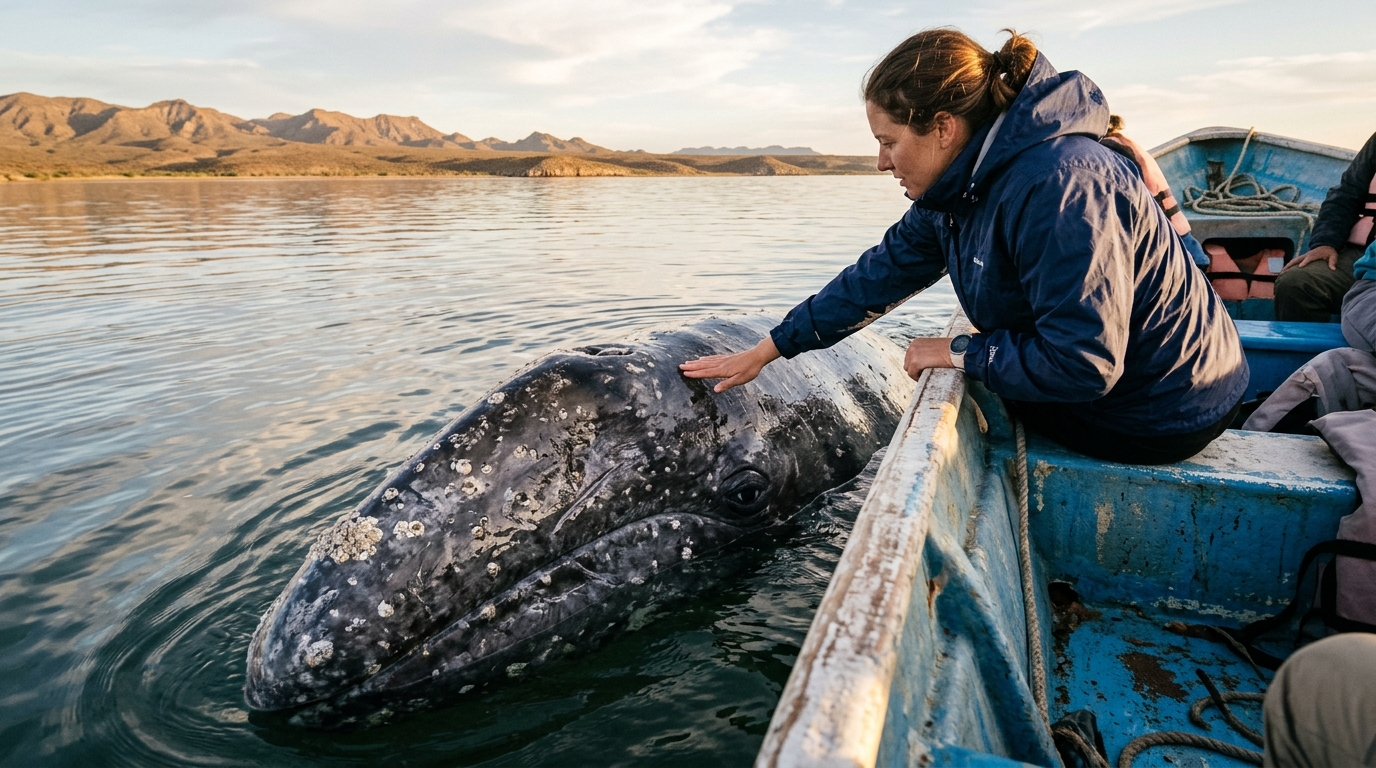
Under Mexican federal law (NOM-131-SEMARNAT), entering the water with gray whales is strictly prohibited. Instead, Baja’s calving lagoons are the only place on Earth renowned for "friendly" gray whales—where curious mothers and calves voluntarily swim up to drifting 24-foot pangas, allowing guests to gently touch them from the boat strictly on the whale’s terms. Zero chasing; engines are idled or cut as whales approach.
Ocean Conditions & Encounter Overview
Every winter, Eastern North Pacific gray whales complete a 10,000-kilometer migration from Arctic feeding grounds to the warm, hypersaline calving lagoons of Baja California Sur: Laguna San Ignacio (inside the El Vizcaíno Biosphere Reserve) and Magdalena Bay. Here, sheltered from Pacific swells and orcas, pregnant females give birth and nurse calves for two months before heading north.
While swimming with gray whales is illegal in Mexico, Baja offers a phenomenon found nowhere else in the marine world. Beginning in February, mothers actively lift their calves alongside small open pangas, rolling to make eye contact and inviting gentle, whale-initiated contact right at the gunwale. Captained by licensed local fishermen under strict CONANP/SEMARNAT rules, pangas idle in designated observation zones and wait for whales to choose the interaction.
Because gray whale lagoon trips require zero swimming gear and run mid-January through early April, they pair seamlessly with a Sea of Cortez ocean safari out of La Paz or Loreto (for sea lions, blue/fin whales, and mobula rays) or an early-spring Baja road itinerary.
Daily Expedition Rhythm & Structure
Laguna San Ignacio Eco-Camp or Magdalena Bay Base
Stay in solar-powered waterfront cabañas right on the lagoon edge in San Ignacio (minimal transit to the observation zone) or base in Puerto San Carlos / Lopez Mateos for Magdalena Bay.
Morning & Afternoon 90-Minute Regulated Panga Sessions
CONANP limits the number of pangas inside the whale zone simultaneously and caps sessions at 90 minutes. Two daily outings maximize encounters across changing tides.
Whale-Initiated Friendly Encounters
With motors in neutral, curious mothers and calves frequently stay beside the panga for 20–45 minutes, spyhopping, rubbing against the hull, and surfacing for gentle pats.
Easy Combo With Baja Ocean Safaris
Combine 3 days in the gray whale lagoons with 3–4 days in La Paz or Loreto for in-water snorkeling with sea lions and pelagic marine life in the Sea of Cortez.
Ethical Wildlife Protocol
- Swimming or entering the water with gray whales is strictly prohibited under Mexican law.
- All contact is 100% whale-initiated; pangas never chase, corner, or crowd a mother and calf.
- CONANP/SEMARNAT caps the number of licensed pangas inside the observation zone at any one time.
- Keep hands gentle and away from eyes and blowholes; never grab or lean dangerously over the gunwale.
- Only local Ejido-licensed captains and Biosphere Reserve permit holders are used.
Essential Gear Checklist
- Waterproof windbreaker or rain shell (lagoon afternoon winds blow 15–25 knots with salt spray)
- Warm fleece or light down mid-layer for chilly 10–14°C desert mornings
- Quick-dry trousers and boat shoes or sandals that can get wet
- Wide-angle lens (24–70mm) for close panga-side portraits + 70–200mm for spyhops and breaches
- Dry bag for camera gear, knit beanie, and polarized sunglasses with a retainer strap
Baja Gray Whales FAQs
Why isn’t swimming with gray whales allowed in Baja California?
Laguna San Ignacio and Magdalena Bay are protected calving and nursing sanctuaries regulated by SEMARNAT and CONANP. Federal law prohibits entering the water to protect newborn calves from disturbance and to prevent accidental injury in shallow, low-visibility lagoon channels. Boat-side encounters give whales complete control to approach or leave.
Is touching a friendly gray whale actually ethical?
Yes, when strictly regulated and 100% whale-initiated. In Baja’s lagoons, pangas hold stationary in neutral while mothers actively push their calves up to the boat and linger voluntarily—often for 30+ minutes. If a whale moves away, captains never follow. Decades of CONANP monitoring confirm healthy calf survival and return rates.
What is the difference between Laguna San Ignacio and Magdalena Bay?
Laguna San Ignacio is more remote, strictly capped by Biosphere Reserve rules, and famous for its high rate of prolonged friendly encounters and waterfront tented camps. Magdalena Bay is easier to reach by road from La Paz (3–3.5 hours) and works well for shorter 2–3 day add-ons.
What should I wear on windy lagoon pangas?
Dress in layers as if for cool coastal sailing: morning temperatures in the Baja desert drop to 10–12°C, and afternoon northwest winds kick up cold salt spray in open 24-foot pangas. Bring a waterproof windproof shell, warm fleece, beanie, and dry bag for cameras.
Can I combine Baja gray whales with an in-water snorkeling trip?
Yes—this is one of our most popular custom itineraries. Pair 3 days of boat-based gray whale encounters in San Ignacio or Magdalena Bay with 3–4 days in La Paz or Loreto for snorkeling with California sea lions, whale sharks (when open), and Sea of Cortez pelagics.
Direct Local Operator Matching
Plan Your Baja Gray Whales Expedition
Tell us your preferred Mid-January – Early April dates and group size. We connect you directly with our vetted Mexico expedition lead.
Compare or Combine
Related Expeditions
Mexico
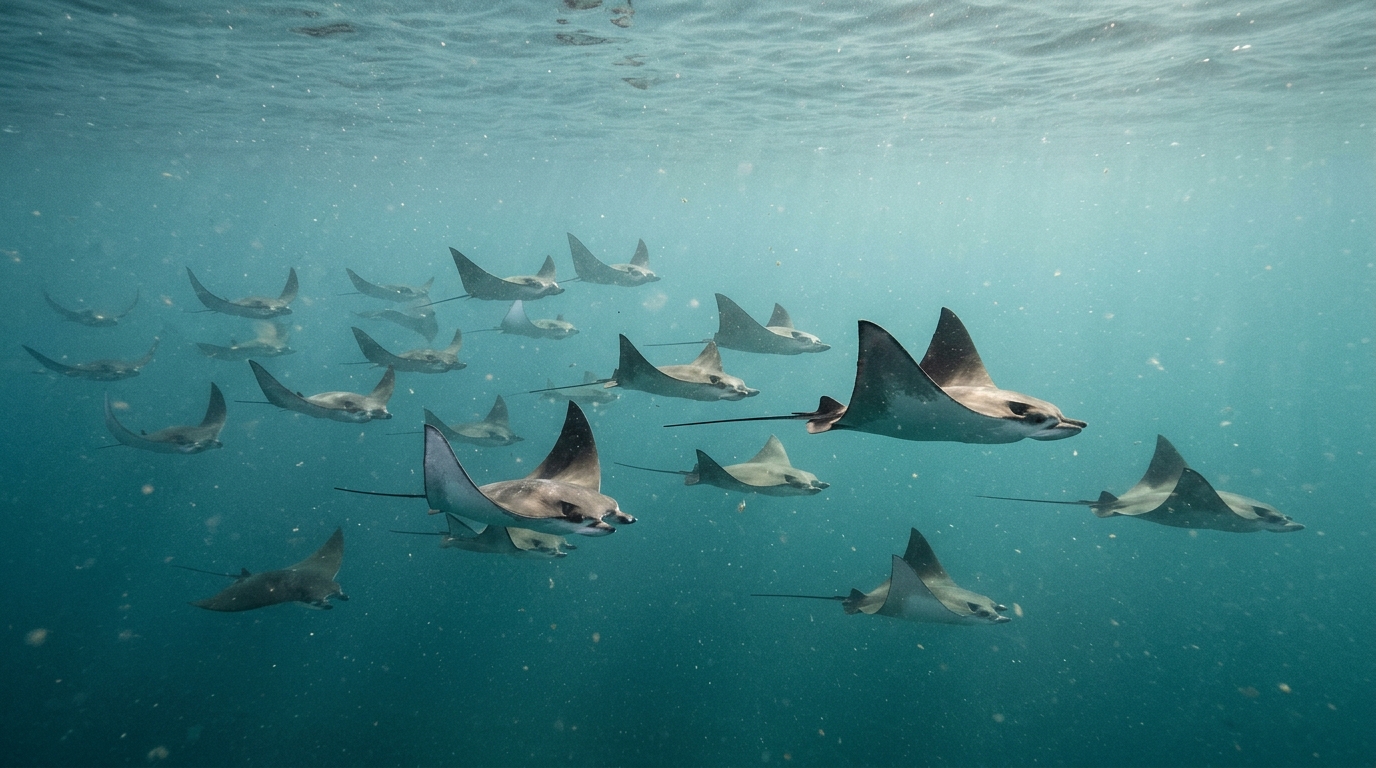
21–28°CMobulas, Orcas & Pelagics
Sea of Cortez Safari
Unscripted open-ocean safaris across Baja’s eastern coast—schooling mobula rays, playful sea lions, transient orcas, and fin/blue/sperm whales.
- Peak Season
- Peak: May – Jul (mobulas & orcas)
- Water Temperature
- Gear: 3mm (Apr–Jun) / Rashguard–2mm (Jul–Nov)
- Group Limit
- Cap: Max 6 guests per panga
Mexico
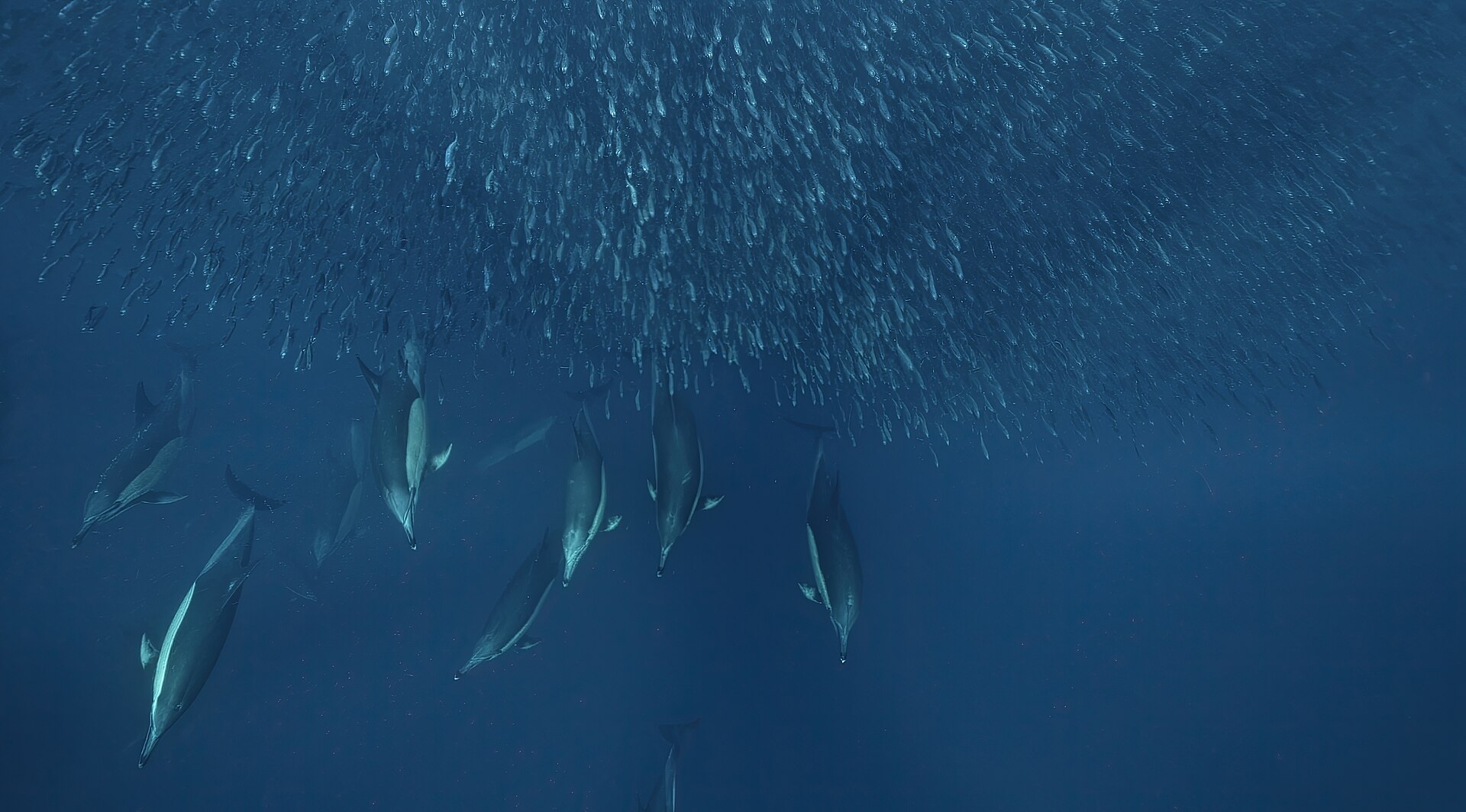
20–24°CStriped Marlin & Bait Balls
Mexican Sardine Run
Fast-paced Pacific blue-water freediving with 10 to 40+ striped marlin slashing through mackerel and sardine bait balls alongside sea lions and whales.
- Peak Season
- Peak: Late Oct – Early Dec
- Water Temperature
- Gear: 3mm–5mm full wetsuit
- Group Limit
- Cap: Max 5–6 guests per panga
Tonga
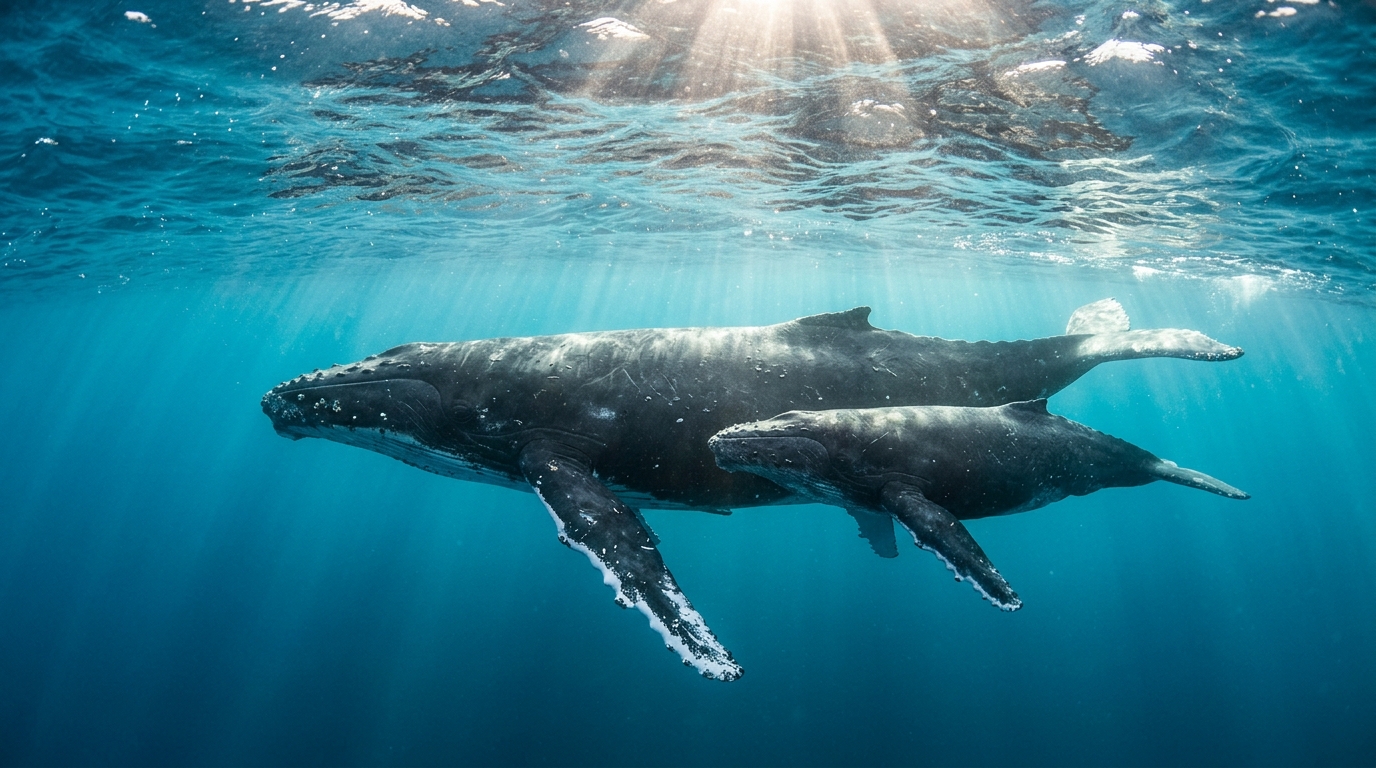
23–25°CHumpback Whales
Tonga Humpbacks
Calm coral-sheltered lagoons in Vava'u and Ha'apai with mothers, newborn calves, singing males, and heat runs under Tonga's 4-swimmer rotation law.
- Peak Season
- Peak: Aug – Sep (calves & heat runs)
- Water Temperature
- Gear: 3mm full wetsuit + windbreaker
- Group Limit
- Cap: Max 4 swimmers + 1 licensed guide