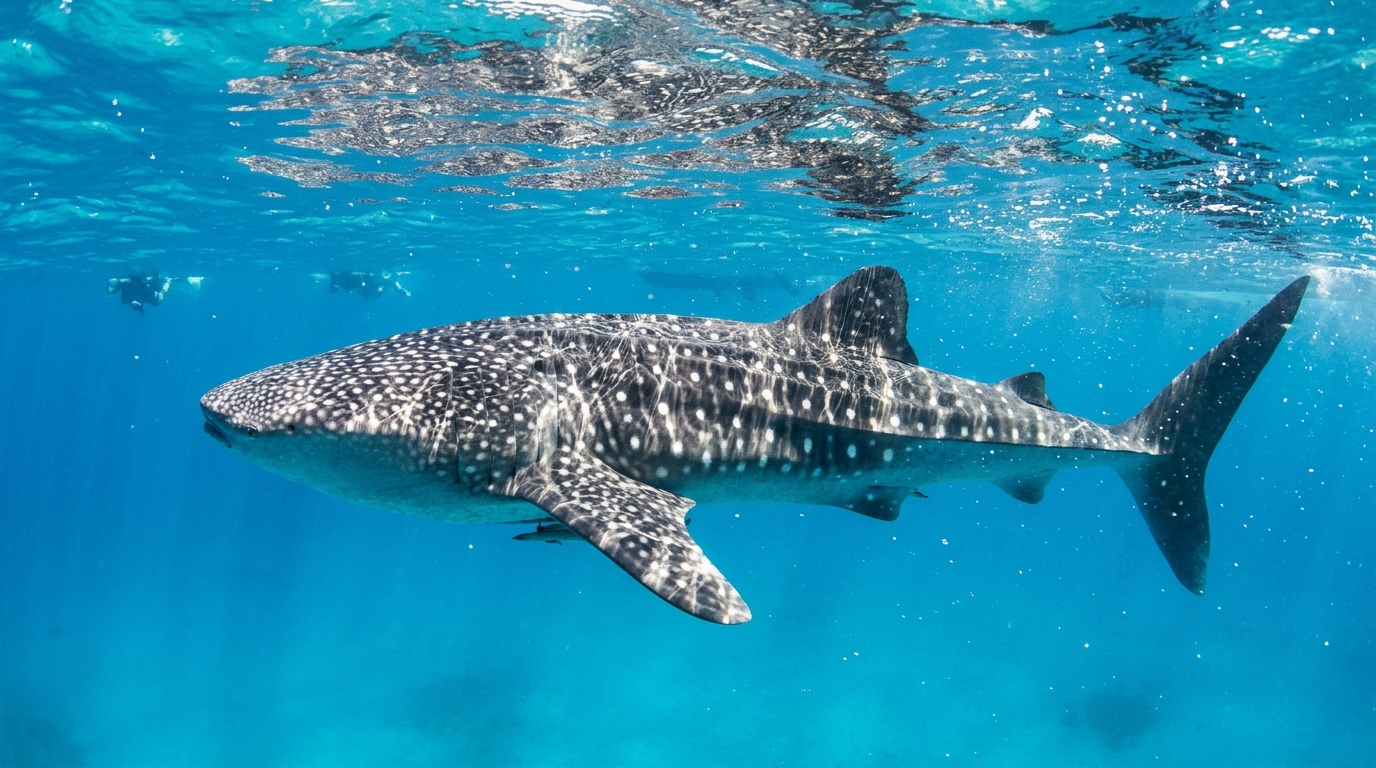
Isla Mujeres & Cancun, Quintana Roo, Mexico
Yucatan Whale Sharks & Sailfish Expeditions
Two distinct Caribbean pelagic seasons off Isla Mujeres and Cancun: summer whale shark aggregations (Jun–Sep) and winter Atlantic sailfish runs (Jan–Mar).
- Season & Peak Window
- Jan – Mar (Sailfish) & Jun – Sep (Whale Sharks)
- Peak: Feb (Sailfish) / Jul–Aug (Whale Sharks)
- Water Temp & Exposure Gear
- 24–26°C (Winter) / 27–29°C (Summer)
- 3mm (Jan–Mar) / Rashguard (Jun–Sep)
- In-Water / Boat Limit
- 2 swimmers + 1 guide (Whale Sharks) / 4–6 max (Sailfish)
- Surface snorkeling (Whale Sharks) & open-ocean freediving (Sailfish)
- Recommended Trip Length
- 3–5 boat days (4–6 nights on Isla Mujeres)
- Typical range: $2,200 – $3,800 / person (multi-day private/small-group)
- Airport Hub & Routing
- Cancun International Airport (CUN) + 20-min ferry to Isla Mujeres
- Permit & Booking Lead Time
- Book 2–5 months ahead for peak Jul–Aug & Feb dates
CONANP Biosphere Regulations
Strict 2-Swimmer Whale Shark Rotation & No-Touch Enforcement
In the Mexican Caribbean Whale Shark Biosphere Reserve (Jun–Sep), CONANP law restricts water entries to 2 swimmers plus 1 certified guide at a time, requires a 2-meter minimum distance from the head and 3 meters from the tail, prohibits touching and flash photography, and bans non-biodegradable sunscreen.
Ocean Conditions & Encounter Overview
Isla Mujeres sits directly adjacent to the Yucatan Channel where Caribbean currents meet the Gulf of Mexico, creating two completely distinct, world-class pelagic seasons separated by six months.
From June through September (peaking July and August), hundreds of whale sharks—often accompanied by giant oceanic manta rays—converge northeast of Isla Mujeres to surface-feed on dense bonito tuna eggs. Instead of crowded cattle-boat tours, our licensed private and small-group charters depart early from Isla Mujeres to reach the feeding zone ahead of the Cancun fleet, running calm, legal 2-swimmer rotations.
From January through March, the same offshore waters host the Atlantic sailfish run. Frigates lead small fast boats 20–40 miles north of Isla Mujeres to tight sardine bait balls surrounded by 10 to 30+ sailfish flashing iridescent purple and electric blue as they raise their dorsal sails to herd prey—an explosive winter counterpart to Baja's autumn marlin run.
Daily Expedition Rhythm & Structure
Summer Whale Shark Aggregations (Jun–Sep)
Early 07:00 departures from Isla Mujeres to the Afuera feeding zone. Clean 2-swimmer + 1 guide drops alongside filter-feeding whale sharks and occasional oceanic mantas.
Winter Atlantic Sailfish Bait-Ball Run (Jan–Mar)
Fast offshore center-console runs tracking diving frigatebirds to active sardine schools corralled by packs of hunting Atlantic sailfish.
Isla Mujeres Base (Zero Daily Cancun Transit)
Stay directly on Isla Mujeres, cutting 45–60 minutes off the morning boat ride and putting you on the pelagic grounds ahead of day-trippers.
Optional Cenote Freediving Recovery Days
Pair 3–4 offshore boat days with freshwater Riviera Maya cenote freediving if wind conditions blow out an afternoon offshore.
Ethical Wildlife Protocol
- Whale Shark Reserve (Jun–Sep): strictly 2 swimmers + 1 licensed guide in the water per rotation.
- Maintain a minimum 2-meter lateral buffer (3 meters from the caudal fin); zero touching or riding.
- No flash photography, no selfie-stick poking, and no chemical sunscreens (rashguard required).
- Sailfish season (Jan–Mar): zero baiting or chumming; natural wild bait balls only.
- Private or max 6-guest boats only—never crowded 12-person mass-market tour boats.
Essential Gear Checklist
- Long-sleeve rashguard (Jun–Sep — chemical sunscreen is prohibited in the reserve)
- 3mm full wetsuit (Jan–Mar sailfish season, 24–26°C water + windy crossings)
- Medium or long-blade fins (whale sharks cruise faster than they look)
- Low-volume mask and snorkel (CONANP mandates a neoprene vest or buoyancy aid on whale shark drops unless wearing a wetsuit)
- Wide-angle lens (14–20mm) for both 10-meter whale sharks and close-range sailfish bait balls
Yucatan Pelagics FAQs
Can I see both whale sharks and sailfish on the same trip to Yucatan?
No—they occur in opposite seasons. Atlantic sailfish aggregate off Isla Mujeres from January through March (peak February), while whale sharks gather to feed on tuna spawn from June through September (peak July–August).
Why book a multi-day small-group charter instead of a $150 Cancun day tour?
Standard Cancun day tours pack 10 guests per boat, depart late, and often give each swimmer only two hurried 3-minute jumps. Our private and small-group charters (4–6 guests max) launch early from Isla Mujeres, follow strict CONANP ethics, and give you 3–4 consecutive days for clean visibility and relaxed water time.
Do I have to wear a life vest when swimming with whale sharks in Mexico?
CONANP regulations require either a fitted buoyancy vest or a full wetsuit during whale shark encounters in the Biosphere Reserve. Certified freedivers wearing a full wetsuit meet the buoyancy requirement without a bulky life jacket.
How rough is the boat ride for Yucatan sailfish in January–March?
Winter trade winds ("Nortes") can create choppy 1.5–2.5 meter seas on the 25–40 mile run north of Isla Mujeres. We recommend at least 4 boat days so you have weather buffer days, plus motion-sickness prevention if you are prone to seasickness.
How do I get to Isla Mujeres from Cancun Airport (CUN)?
Take a 30-minute private transfer from Cancun International Airport (CUN) to Puerto Juárez ferry terminal, followed by a 20-minute Ultramar passenger ferry directly to Isla Mujeres.
Direct Local Operator Matching
Plan Your Yucatan Pelagics Expedition
Tell us your preferred Jan – Mar (Sailfish) & Jun – Sep (Whale Sharks) dates and group size. We connect you directly with our vetted Mexico expedition lead.
Compare or Combine
Related Expeditions
Mexico
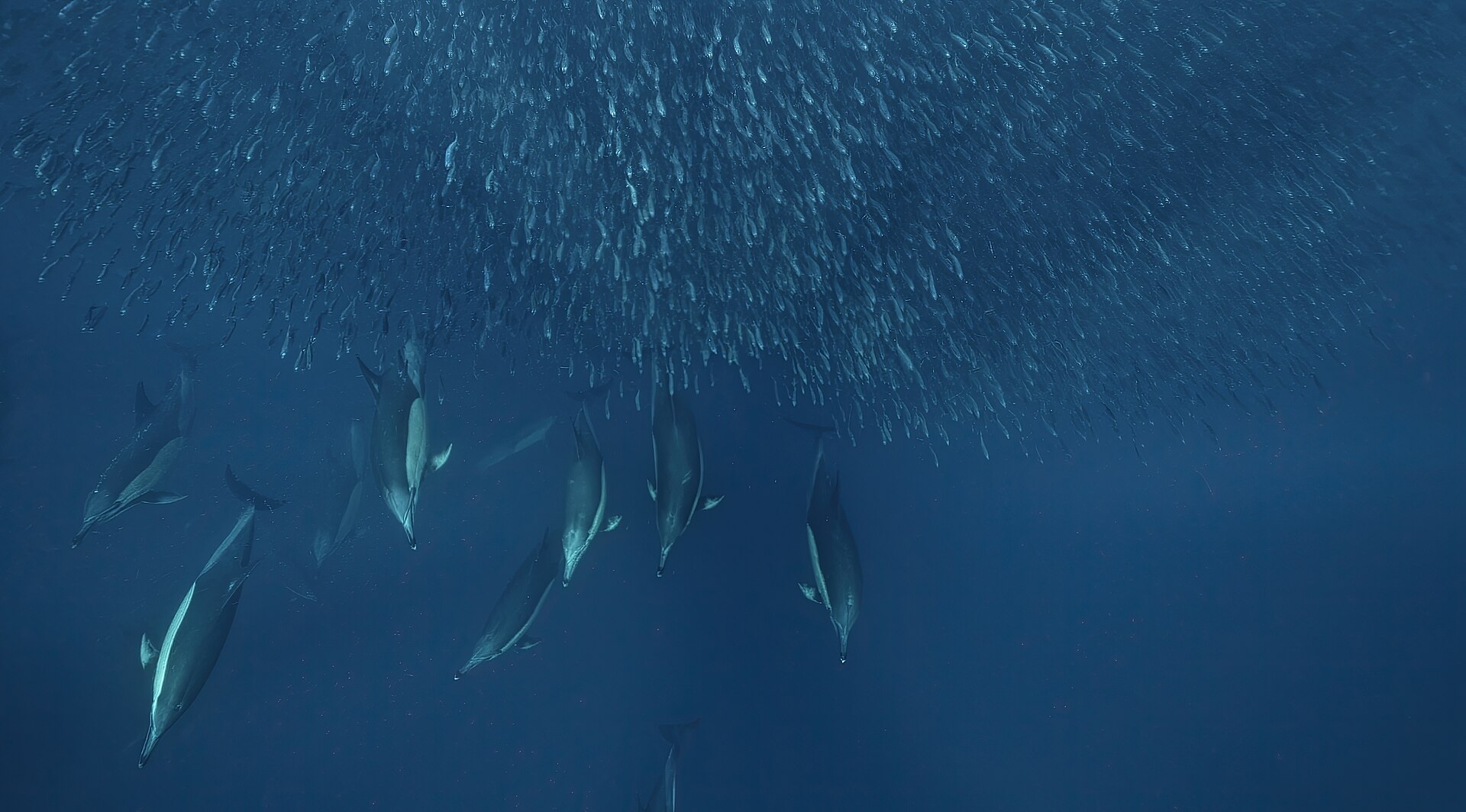
20–24°CStriped Marlin & Bait Balls
Mexican Sardine Run
Fast-paced Pacific blue-water freediving with 10 to 40+ striped marlin slashing through mackerel and sardine bait balls alongside sea lions and whales.
- Peak Season
- Peak: Late Oct – Early Dec
- Water Temperature
- Gear: 3mm–5mm full wetsuit
- Group Limit
- Cap: Max 5–6 guests per panga
Mexico
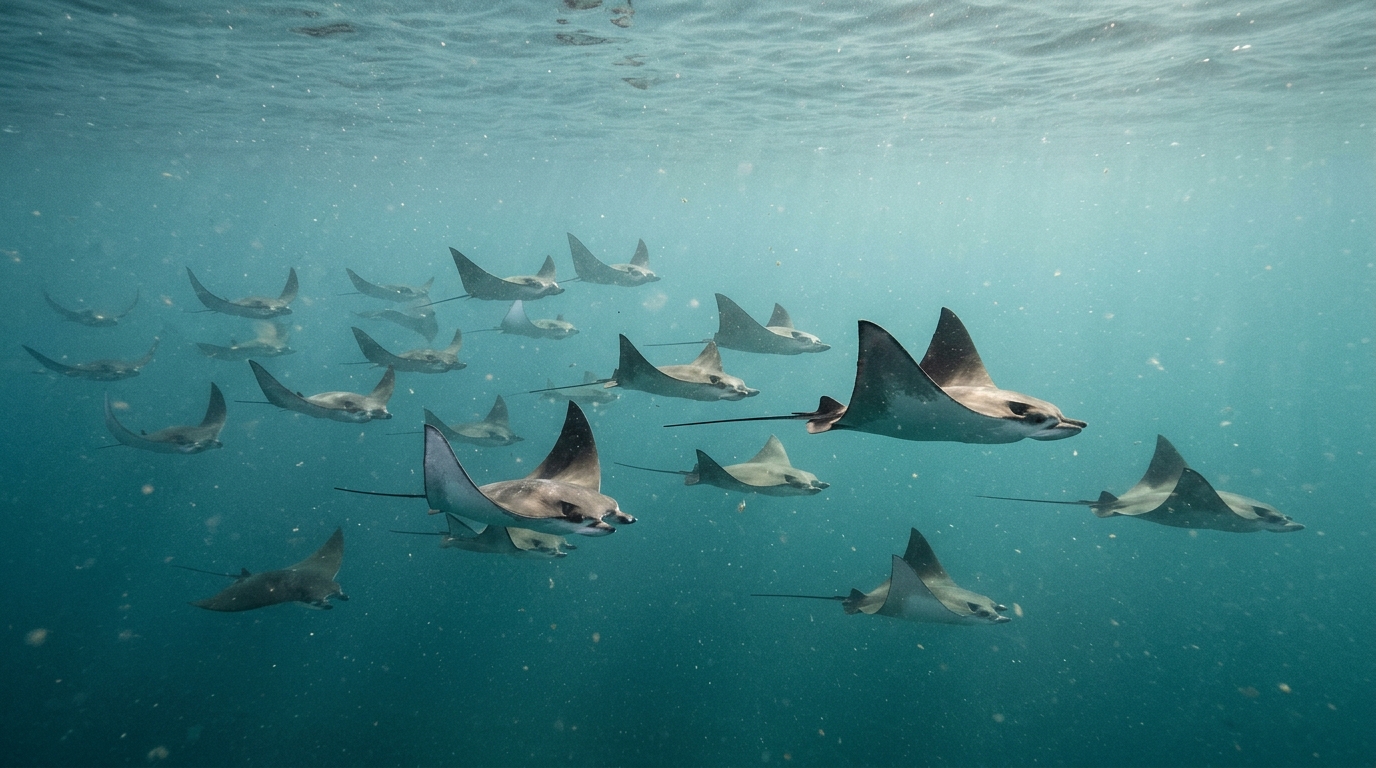
21–28°CMobulas, Orcas & Pelagics
Sea of Cortez Safari
Unscripted open-ocean safaris across Baja’s eastern coast—schooling mobula rays, playful sea lions, transient orcas, and fin/blue/sperm whales.
- Peak Season
- Peak: May – Jul (mobulas & orcas)
- Water Temperature
- Gear: 3mm (Apr–Jun) / Rashguard–2mm (Jul–Nov)
- Group Limit
- Cap: Max 6 guests per panga
Dominica
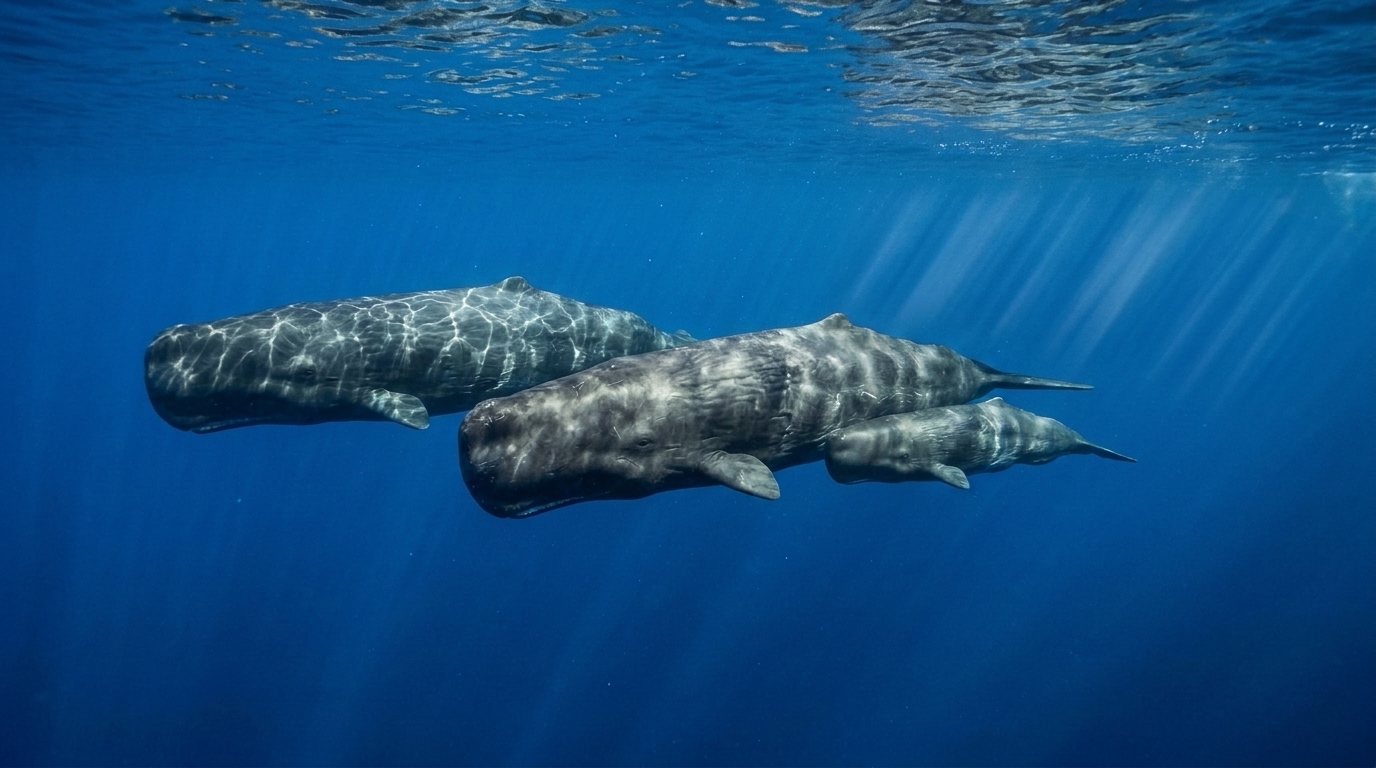
26–28°CSperm Whales
Dominica Sperm Whales
The only place in the world with year-round resident sperm whale families in calm leeward waters, governed by strict 3-guest permits.
- Peak Season
- Peak: Nov – Mar (calm leeward seas & social units)
- Water Temperature
- Gear: Rashguard or 1.5–2mm shorty/full
- Group Limit
- Cap: Max 3 guests + 1 licensed guide