La Paz, La Ventana & Loreto, Baja California Sur
Sea of Cortez Pelagic & Ocean Safaris
Small-group panga safaris out of La Paz, La Ventana, and Loreto targeting mobula ray schools, sea lions, orcas, and resident whales.
- Season & Peak Window
- April – November (species-dependent)
- Peak: May – Jul (mobulas & orcas)
- Water Temp & Exposure Gear
- 21–28°C (70–82°F)
- 3mm (Apr–Jun) / Rashguard–2mm (Jul–Nov)
- In-Water / Boat Limit
- Max 6 guests per panga
- Open-ocean freediving & snorkeling (guided drops)
- Recommended Trip Length
- 4–6 boat days (5–7 nights)
- Typical range: $2,500 – $4,200 / person
- Airport Hub & Routing
- La Paz (LAP) or San José del Cabo (SJD)
- Permit & Booking Lead Time
- Book 2–6 months ahead for May–Jul mobula peak
Wild Pelagic Safari Format
Unpredictable Open-Ocean Searching With High Species Diversity
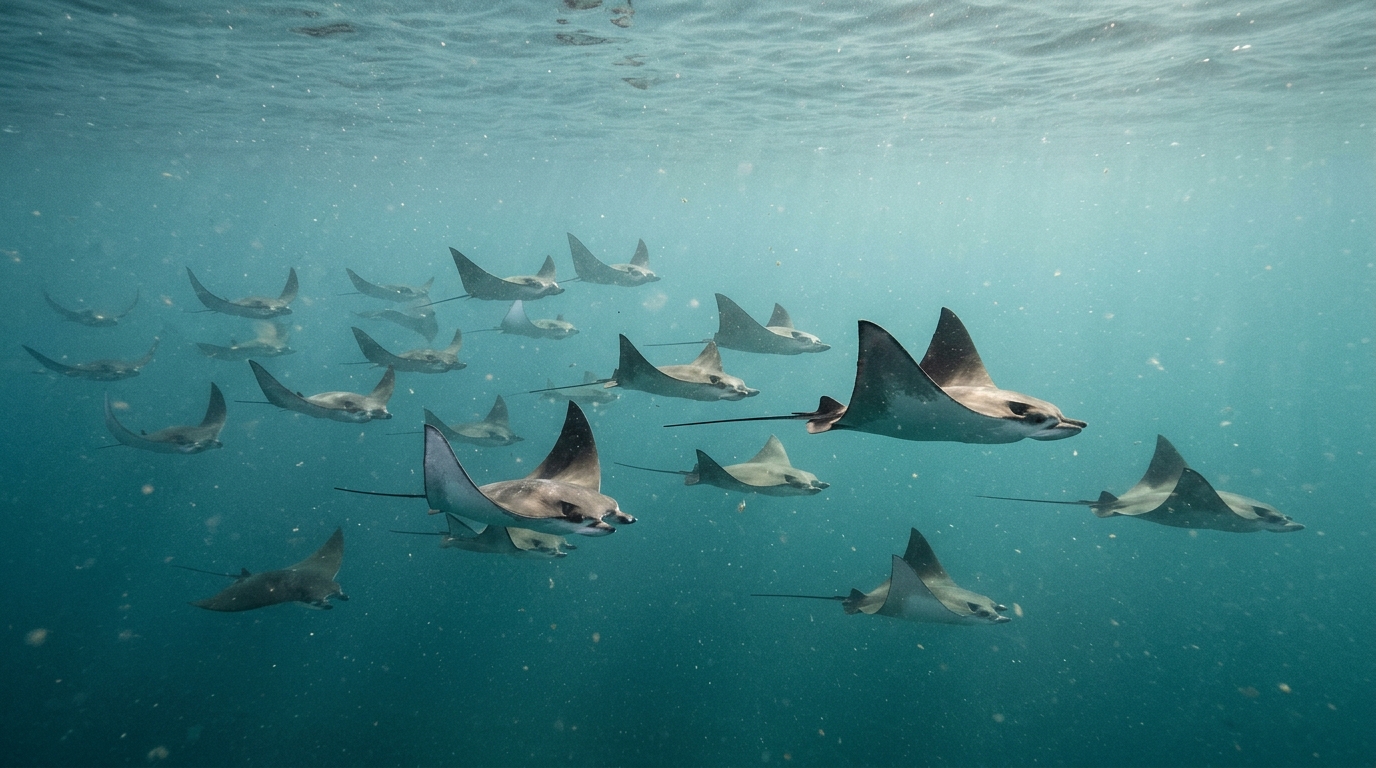
Unlike single-species breeding lagoons, a Sea of Cortez ocean safari covers 40–70 miles of open water daily using spotter networks and bird activity. May–July brings massive schooling Munk’s devil rays (mobulas) and hunting orcas; spring adds blue and fin whales off Loreto; autumn brings warm 28°C water and sea lion pups.
Ocean Conditions & Encounter Overview
The Gulf of California—especially the nutrient-rich channels around La Ventana, Cerralvo Island, Espíritu Santo, and Loreto—hosts one of the most dynamic pelagic ecosystems in the Americas. Small 26-foot shaded pangas carrying 4–6 guests run daily 6–7 hour ocean safaris in search of whatever the currents bring.
From May through July, tens of thousands of Munk's devil rays (mobulas) aggregate in dense, undulating schools between La Ventana and Cerralvo Island—a major draw for freedivers and underwater photographers. Those same spring and early-summer months also bring transient and offshore orca pods patrolling the channels, alongside bottlenose superpods, sperm whales, and Bryde's whales.
Every itinerary balances open-ocean blue-water searching with guaranteed high-energy reef encounters, including snorkeling with curious California sea lion colonies at Los Islotes (closed Jun–Aug for pupping; alternative rookeries used) and optional night-glow mobula drops in La Ventana.
Daily Expedition Rhythm & Structure
La Ventana & Cerralvo Channel Mobula Aggregations
Track breaching rays and dark shadow schools from the panga, slipping quietly into the water to freedive alongside thousands of synchronized mobulas.
Offshore Cetacean & Orca Patrols
Work deep bathymetric ridges where sperm whales, pilot whales, fin whales, and occasional hunting orcas cruise the Sea of Cortez.
Espíritu Santo & Sea Lion Rookeries
Afternoon sheltered reef sessions with agile California sea lions, schooling snapper, and granite boulder swim-throughs.
Loreto National Marine Park Add-On
In February–April, Loreto’s deep offshore trenches reliably host blue whales and fin whales—ideal as a pairing with Baja gray whale lagoons.
Ethical Wildlife Protocol
- Maximum 6 guests per panga with an experienced marine biologist or freediving guide.
- Zero touching of mobula rays, sea lions, or cetaceans; maintain calm horizontal finning.
- Strict adherence to Los Islotes seasonal pupping closures (June–August) and CONANP marine park rules.
- No use of spotter planes where prohibited; local boat-to-boat radio networks and visual spotting only.
- Respect whale-swim boundaries—passive observation only, never cutting across a pod’s path.
Essential Gear Checklist
- 3mm full wetsuit (April–June) or 1.5–2mm / rashguard (July–November)
- Long or medium-blade freediving fins for keeping pace with moving schools
- Low-volume mask, snorkel, and weight belt (if freediving)
- Wide-angle lens for schooling mobulas and sea lion portraits
- Windbreaker, polarized sunglasses, and reef-safe sunscreen
Sea of Cortez Safari FAQs
When is the best time for mobula rays and orcas in the Sea of Cortez?
May through July is peak season for massive schooling Munk’s devil rays (mobulas) around La Ventana and Cerralvo Island. Orca sightings in the Sea of Cortez are always opportunistic, but the highest sighting probability overlaps with April through July.
Can snorkelers join a Sea of Cortez ocean safari, or is it only for freedivers?
Both snorkelers and certified freedivers do well here. Mobula schools, dolphins, and sea lions frequently cruise within 1–5 meters of the surface, while freedivers can drop down to 8–15 meters to frame schools from below.
Should I fly into La Paz (LAP) or San José del Cabo (SJD)?
La Paz (LAP) is 45 minutes from La Ventana and right on the marina for Espíritu Santo trips. San José del Cabo (SJD) has more direct international flights and is a straightforward 2 to 2.5-hour highway transfer to La Ventana or La Paz.
Is Los Islotes sea lion colony open all year?
No. CONANP closes Los Islotes from June 1 through August 31 each year for sea lion pupping season. During those months, our safaris focus on mobula schools, offshore pelagics, and alternative open-water sea lion sites like San Rafaelito.
Can I pair the Sea of Cortez with Magdalena Bay?
Yes. In October–November, many travelers spend 3 days in La Paz (sea lions, wrecks, and reef freediving) followed by 3–4 days in Magdalena Bay for the Mexican Sardine Run.
Direct Local Operator Matching
Plan Your Sea of Cortez Safari Expedition
Tell us your preferred April – November (species-dependent) dates and group size. We connect you directly with our vetted Mexico expedition lead.
Compare or Combine
Related Expeditions
Mexico
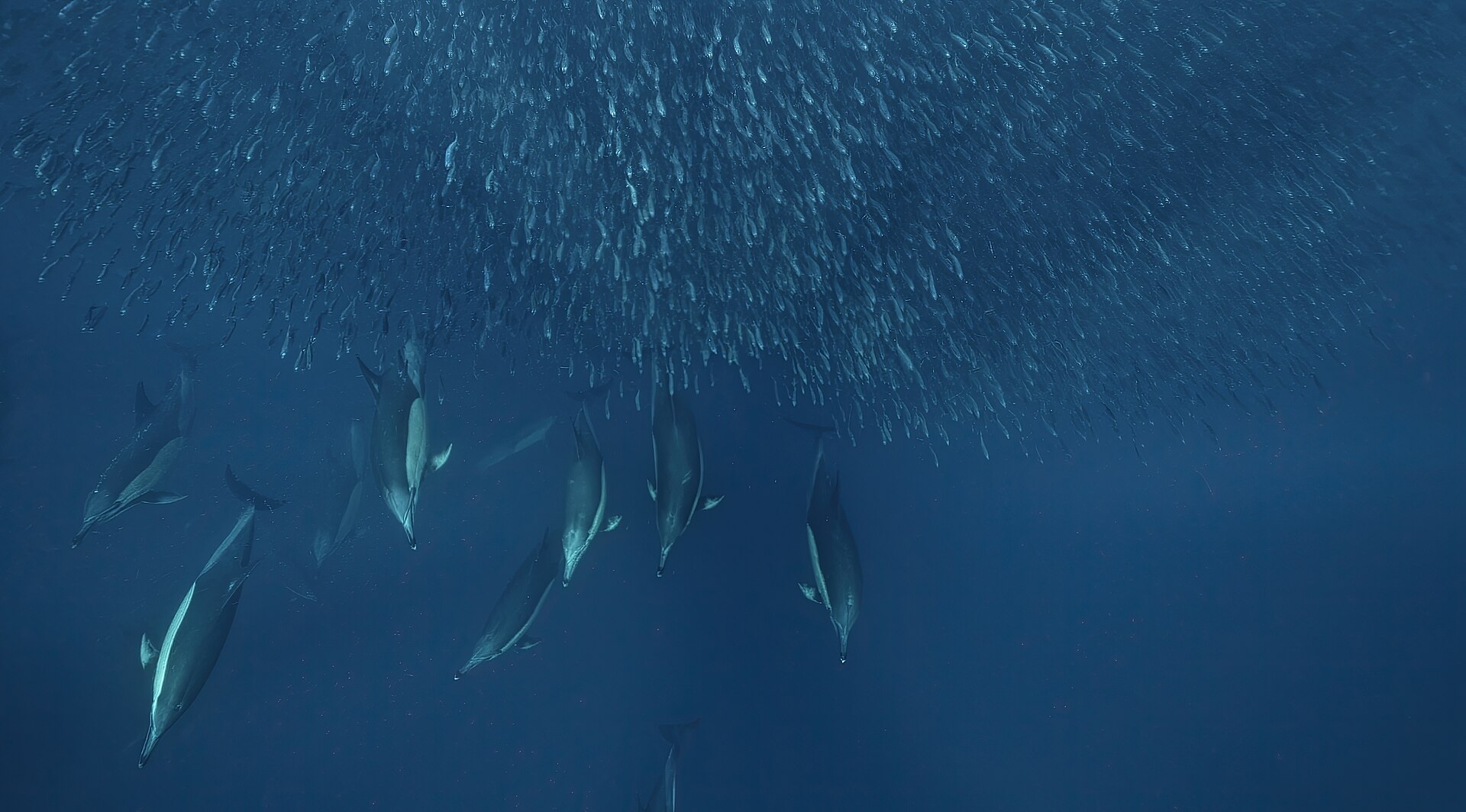
20–24°CStriped Marlin & Bait Balls
Mexican Sardine Run
Fast-paced Pacific blue-water freediving with 10 to 40+ striped marlin slashing through mackerel and sardine bait balls alongside sea lions and whales.
- Peak Season
- Peak: Late Oct – Early Dec
- Water Temperature
- Gear: 3mm–5mm full wetsuit
- Group Limit
- Cap: Max 5–6 guests per panga
Mexico
16–19°CGray Whales
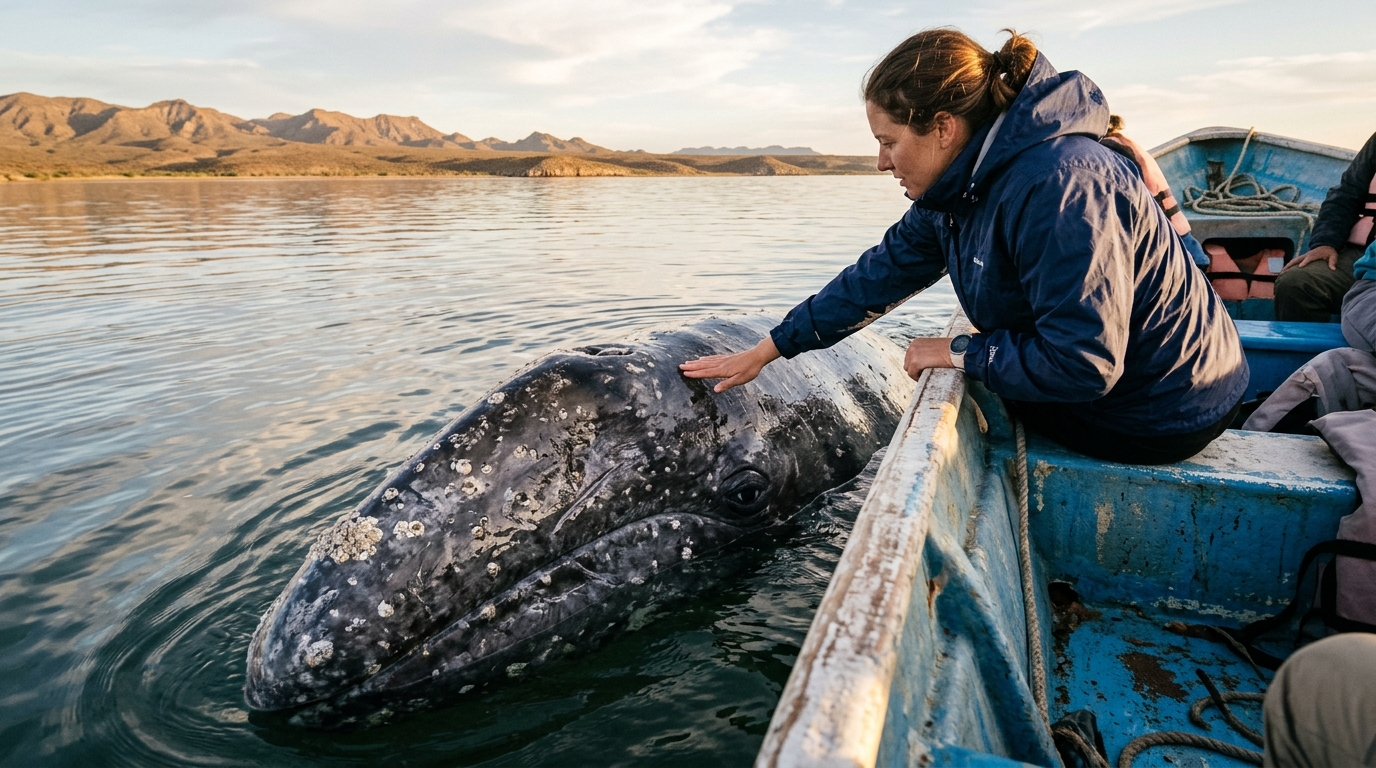
Baja Gray Whales
The only place on Earth where curious gray whale mothers and calves voluntarily approach small pangas for whale-initiated boat-side contact.
- Peak Season
- Peak: February – March
- Water Temperature
- Gear: Windproof shell, fleece & spray layers (no wetsuit)
- Group Limit
- Cap: Swimming prohibited by Mexican law (max 6–8 guests per panga)
Mexico
24–26°CWhale Sharks & Sailfish
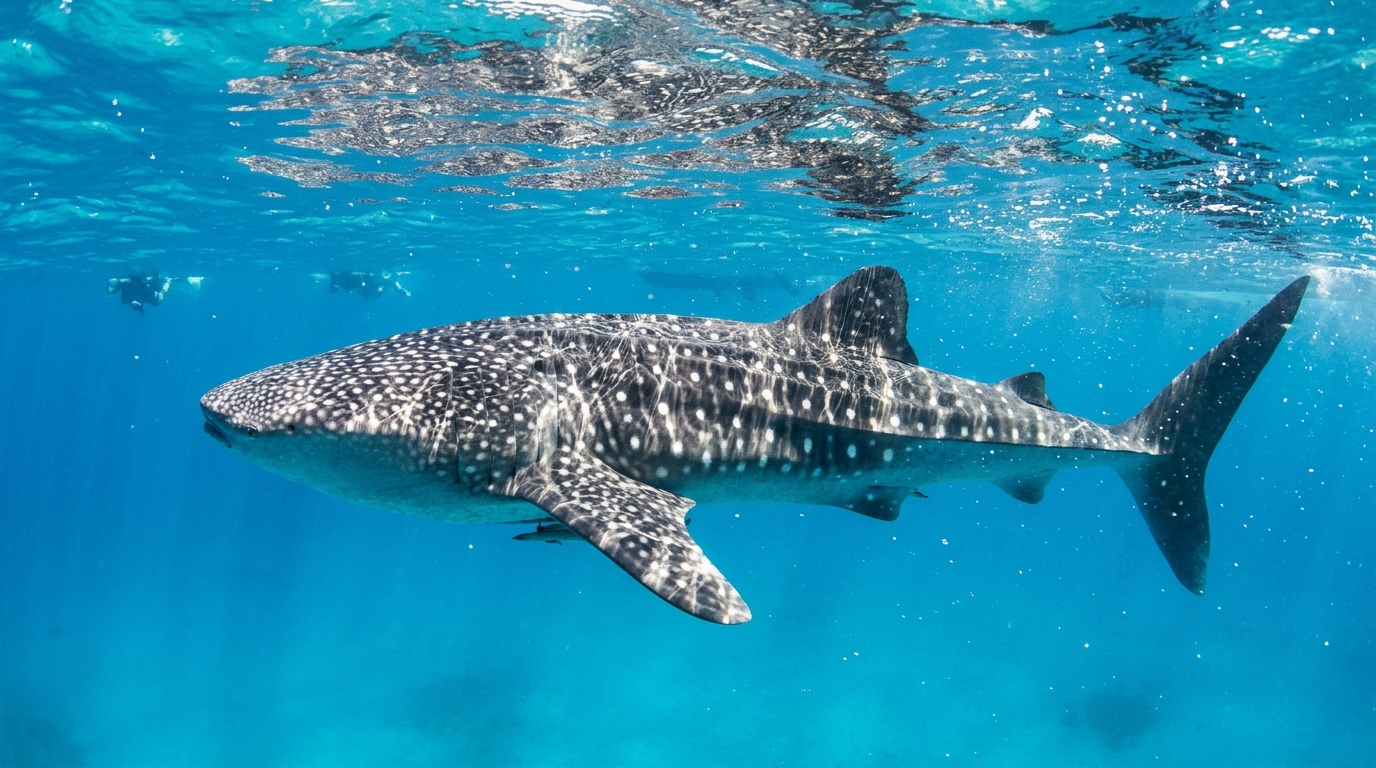
Yucatan Pelagics
The world’s largest summer whale shark gathering (Jun–Sep) and high-speed winter Atlantic sailfish bait-ball runs (Jan–Mar) off Isla Mujeres.
- Peak Season
- Peak: Feb (Sailfish) / Jul–Aug (Whale Sharks)
- Water Temperature
- Gear: 3mm (Jan–Mar) / Rashguard (Jun–Sep)
- Group Limit
- Cap: 2 swimmers + 1 guide (Whale Sharks) / 4–6 max (Sailfish)