Roseau & Scotts Head, Dominica
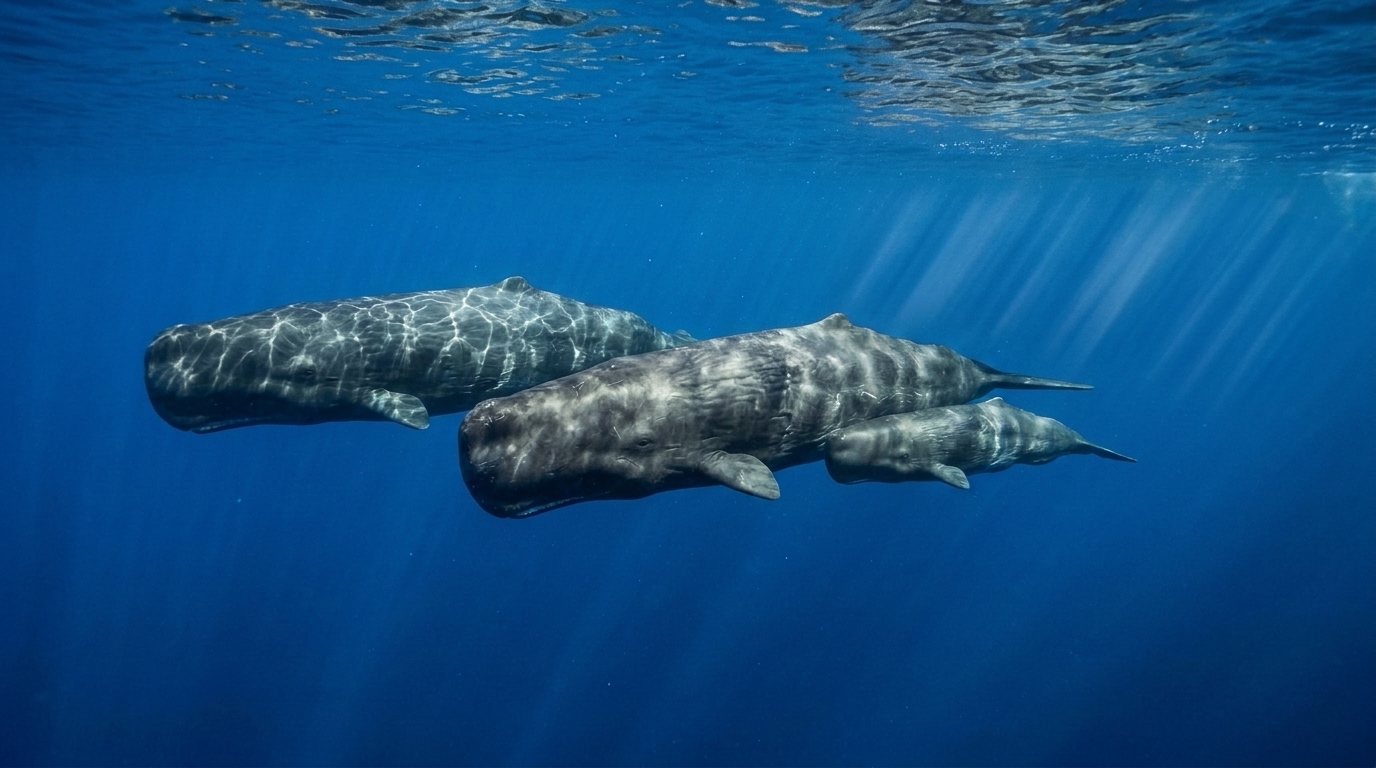
Swim With Sperm Whales in Dominica
Government-permitted pelagic encounters with Dominica’s resident family units in 1,000-meter Caribbean drop-offs.
- Season & Peak Window
- Year-round (Peak Nov – Mar)
- Peak: Nov – Mar (calm leeward seas & social units)
- Water Temp & Exposure Gear
- 26–28°C (79–82°F)
- Rashguard or 1.5–2mm shorty/full
- In-Water / Boat Limit
- Max 3 guests + 1 licensed guide
- Surface snorkeling & controlled passive freediving (guide-directed)
- Recommended Trip Length
- 5–6 boat days (6–7 nights)
- Typical range: $4,200 – $6,800 / person
- Airport Hub & Routing
- Douglas-Charles Airport (DOM)
- Permit & Booking Lead Time
- Apply 4–9 months in advance (strict Fisheries quota)
Dominica Fisheries Division Permit
Mandatory Advance Permit & Strict 3-Guest Water Limit
Dominica issues a strictly capped number of in-water sperm whale swim permits per season through the Fisheries Division. Permits must be secured months in advance, limit each drop to a maximum of 3 guests plus 1 licensed guide, and strictly prohibit chasing, touching, or aggressive finning.
Ocean Conditions & Encounter Overview
Dominica's west coast drops to over 1,000 meters within two miles of shore, creating a sheltered leeward canyon where matrilineal family units of sperm whales reside year-round. Unlike migratory destinations, these whales are studied individuals—mothers, juveniles, and visiting adult bulls—who nurse, socialize at the surface, and occasionally sleep vertically in the blue.
Days begin early out of Roseau or Scotts Head. Crews use directional hydrophones every 20–30 minutes to listen for echolocation clicks from foraging whales 600–1,000 meters below. When clicks stop, the whale is ascending to the surface for a 8–12 minute recovery interval.
Because water depth is pelagic and visibility often exceeds 25 meters, water entries require calm, fin-efficient swimming and disciplined buoyancy. Water stays 26–28°C year-round, so a 1.5–2mm wetsuit or long-sleeve rashguard with freediving fins is ideal.
Daily Expedition Rhythm & Structure
Hydrophone Tracking Along the Leeward Shelf
Boats work 2–8 miles off the calm western coast, stopping periodically to dip a directional hydrophone and triangulate foraging clicks and social codas.
3-Swimmer Permitted Drops
When a family unit surfaces to rest or socialize, a maximum of 3 guests and 1 guide slip quietly into the blue parallel to the pod’s line of travel.
Multi-Day Pelagic Buffer (5–6 Days)
Sperm whales spend 45 minutes per hour at depth. Five to six consecutive boat days provide the patience required for extended social surface intervals and vertical sleeping encounters.
Afternoon Freedive & Reef Recovery
After 14:30 return to Roseau, guests have optional access to Soufrière marine reserve freediving lines or hot volcanic sulfur springs.
Ethical Wildlife Protocol
- Valid individual Dominica Fisheries Division sperm whale swim permit required before boarding.
- Maximum 3 guests + 1 licensed guide in the water at any time; zero exceptions.
- Zero chasing, zero touching, and no swimming directly in front of a whale’s head or rostrum.
- Only passive, silent freediving drops when explicitly cleared by the guide—never dive onto a nursing calf.
- Total boat interaction time is strictly capped per encounter to protect resting and nursing cycles.
Essential Gear Checklist
- 1.5mm–2mm neoprene suit or hooded rashguard (26–28°C water)
- Long-blade carbon/fiberglass freediving fins for efficient pelagic positioning
- Low-volume mask and simple snorkel (no bulky purge valves)
- Weight belt (if certified freediver) with quick-release buckle
- Wide-angle underwater camera setup (14–16mm recommended for 12–15m whales)
Dominica Sperm Whales FAQs
How far in advance do I need to apply for a Dominica sperm whale permit?
We recommend inquiring 6 to 9 months ahead of your target dates, especially for the peak November–March window. Dominica caps daily and seasonal in-water permits tightly, and operators must submit guest passport details well ahead of departure.
Do I need to be a certified freediver to swim with sperm whales in Dominica?
Strong surface snorkelers are welcome on permitted charters, as most sperm whale socializing and resting happens in the top 5–10 meters. However, open-ocean comfort, efficient finning, and calm breathing are essential because you are swimming over 1,000+ meters of water.
Are sperm whales really present year-round in Dominica?
Yes. Matrilineal family units live off Dominica’s west coast year-round. November through March is considered peak because seas are generally calm and larger social gatherings—including visiting mature males—are more frequent. Hurricane season peaks August–October.
What is the maximum group size on the boat?
Our vetted Dominica charters run with 4 to 6 guests total on board, rotating in groups of 3 guests plus 1 guide per water entry so every guest gets substantial, unhurried water time.
Which airport should I fly into?
Fly into Douglas-Charles Airport (DOM) via direct flights from Miami (MIA) on American Airlines or regional connections through Barbados (BGI), Antigua (ANU), or San Juan (SJU). Transfer to Roseau takes roughly 60–75 minutes.
Direct Local Operator Matching
Plan Your Dominica Sperm Whales Expedition
Tell us your preferred Year-round (Peak Nov – Mar) dates and group size. We connect you directly with our vetted Dominica expedition lead.
Compare or Combine
Related Expeditions
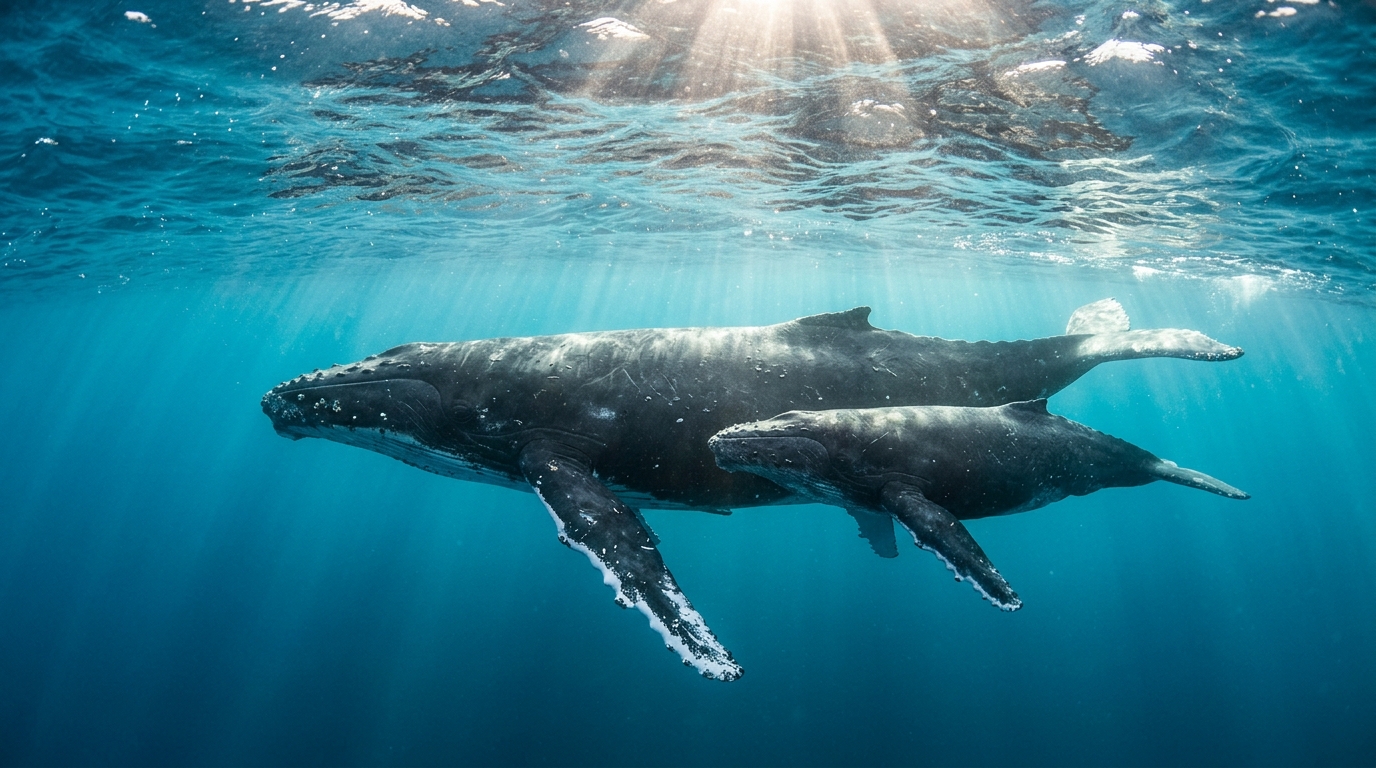
Tonga
23–25°CHumpback Whales
Tonga Humpbacks
Calm coral-sheltered lagoons in Vava'u and Ha'apai with mothers, newborn calves, singing males, and heat runs under Tonga's 4-swimmer rotation law.
- Peak Season
- Peak: Aug – Sep (calves & heat runs)
- Water Temperature
- Gear: 3mm full wetsuit + windbreaker
- Group Limit
- Cap: Max 4 swimmers + 1 licensed guide
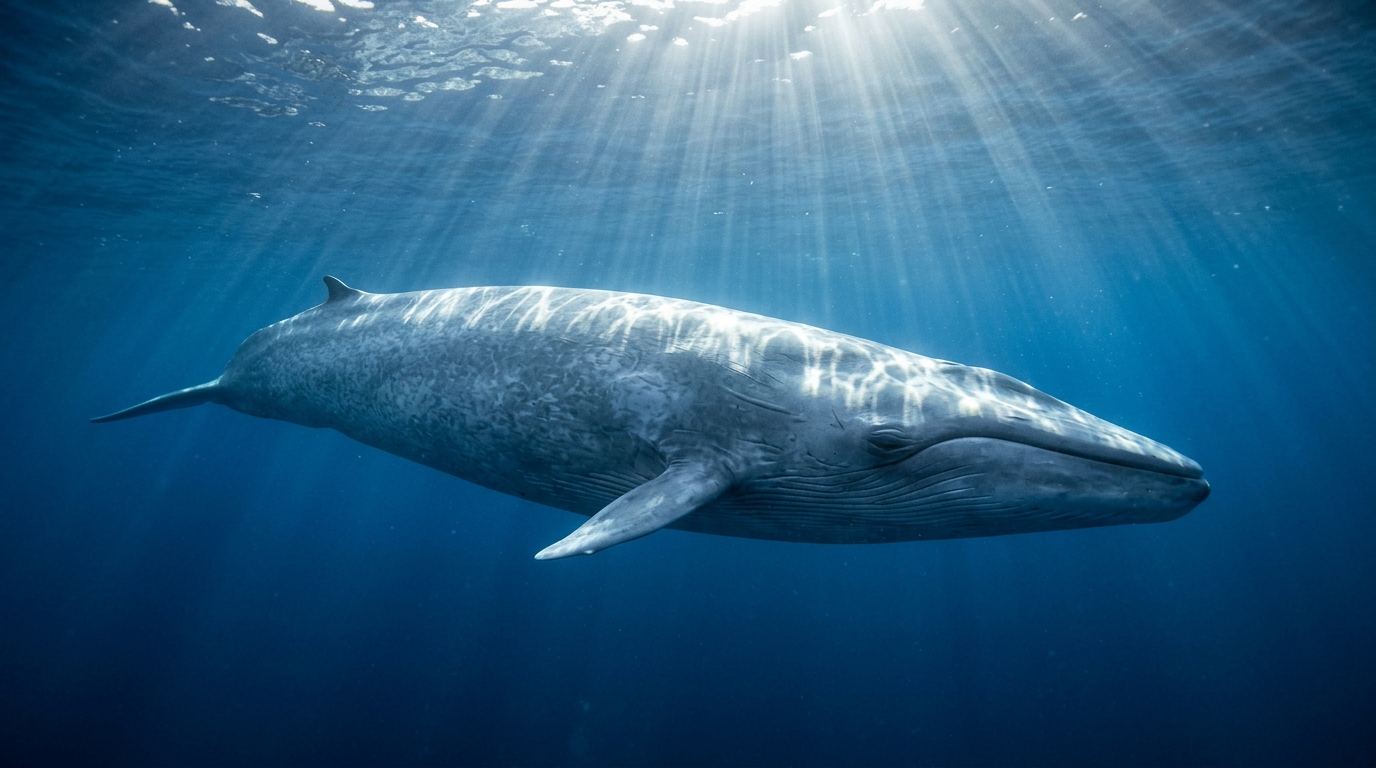
Timor-Leste
27–29°CBlue Whales
Timor-Leste Blue Whales
Deep tropical waters off Dili and Atauro Island where migrating pygmy blue whales pass close to shore every October and November.
- Peak Season
- Peak: Mid-Oct – Mid-Nov
- Water Temperature
- Gear: Rashguard or 1.5mm suit
- Group Limit
- Cap: Max 4 swimmers + 1 guide
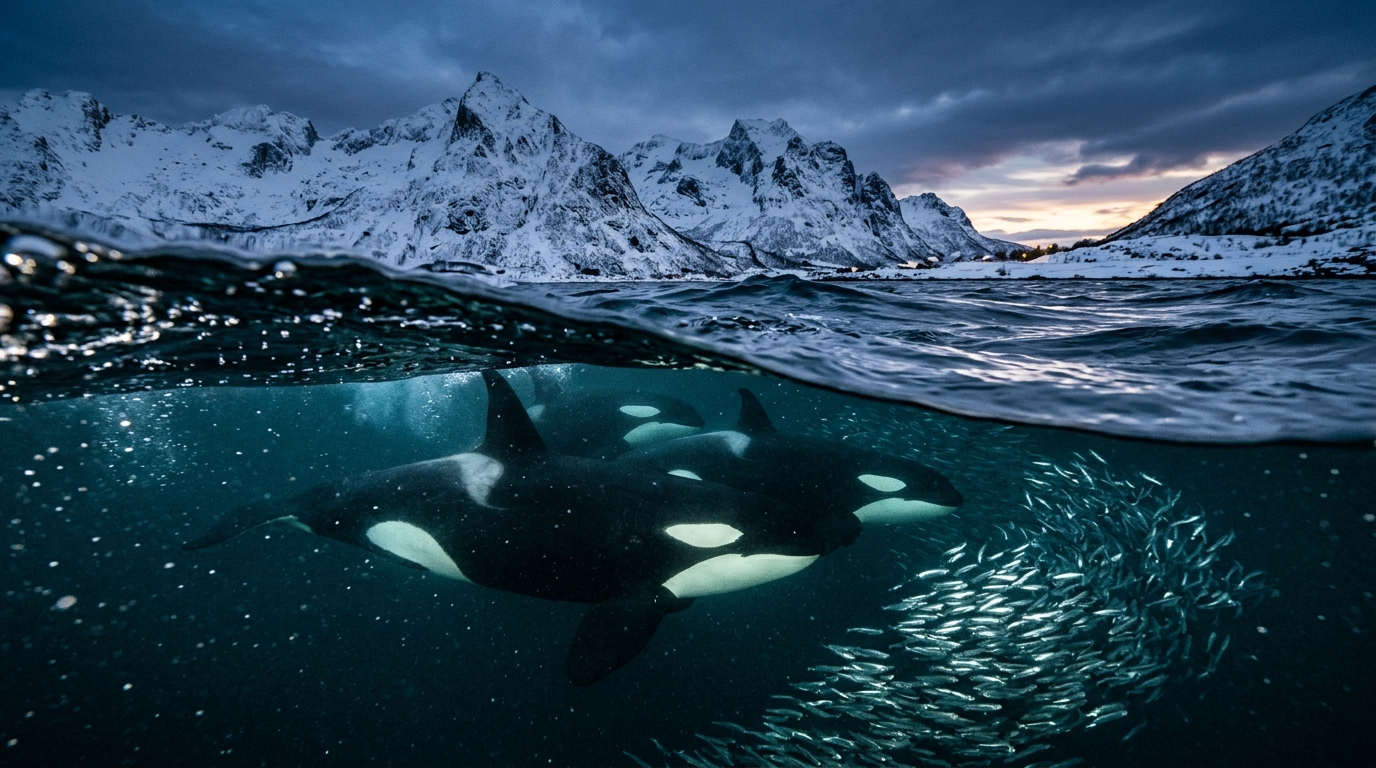
Norway
2–4°COrcas (Killer Whales)
Norway Orcas
Sub-zero Arctic fjords alive with carousel-feeding orcas and humpback whales herding massive herring bait balls under polar twilight.
- Peak Season
- Peak: Nov – Dec (peak herring density)
- Water Temperature
- Gear: Drysuit with thermal undersuit OR 7mm open-cell freediving suit
- Group Limit
- Cap: Max 6–8 guests per RIB / expedition boat