Best Places to See Orcas in the Wild: Norway, Baja & the Pacific Northwest
Where wild killer whales congregate seasonally—comparing Arctic Norway’s winter herring fjords, Baja’s transient pods, and boat-only Pacific Northwest viewing.
Field Summary
- Arctic Norway (Tromsø & Skjervøy, Nov–Jan) is the single most reliable destination on earth to snorkel or freedive with wild orcas.
- Mexico’s Sea of Cortez (Apr–Jul) offers rare, warm-water opportunistic orca encounters during pelagic mobula safaris.
- Vancouver Island, the San Juan Islands, and Bremer Bay (Australia) are world-class for boat viewing, but swimming with orcas is strictly illegal.
Wild Orca Destinations: In-Water vs. Boat-Only
Orcas inhabit every ocean basin, but only two regions combine legal in-water guidelines with predictable seasonal hunting behavior. Everywhere else—especially the Pacific Northwest—is strictly boat-based.
| Region | Peak Season | Swimming Allowed? | Water Temp | Primary Prey |
|---|---|---|---|---|
| Tromsø & Skjervøy, Norway | Nov – Jan | Yes (guideline-based) | 2–4°C | Overwintering herring |
| Sea of Cortez, Baja Mexico | Apr – Jul (opportunistic) | Yes (guided drops) | 22–27°C | Mobula rays, dolphins, sea lions |
| Vancouver / San Juan Islands | May – Oct | No (strictly illegal) | 9–13°C | Chinook salmon / marine mammals |
| Bremer Canyon, Australia | Jan – Apr | No (boat-only) | 18–21°C | Deep-water squid & beaked whales |
1. Arctic Norway: The Global Benchmark for Wild Orca Encounters
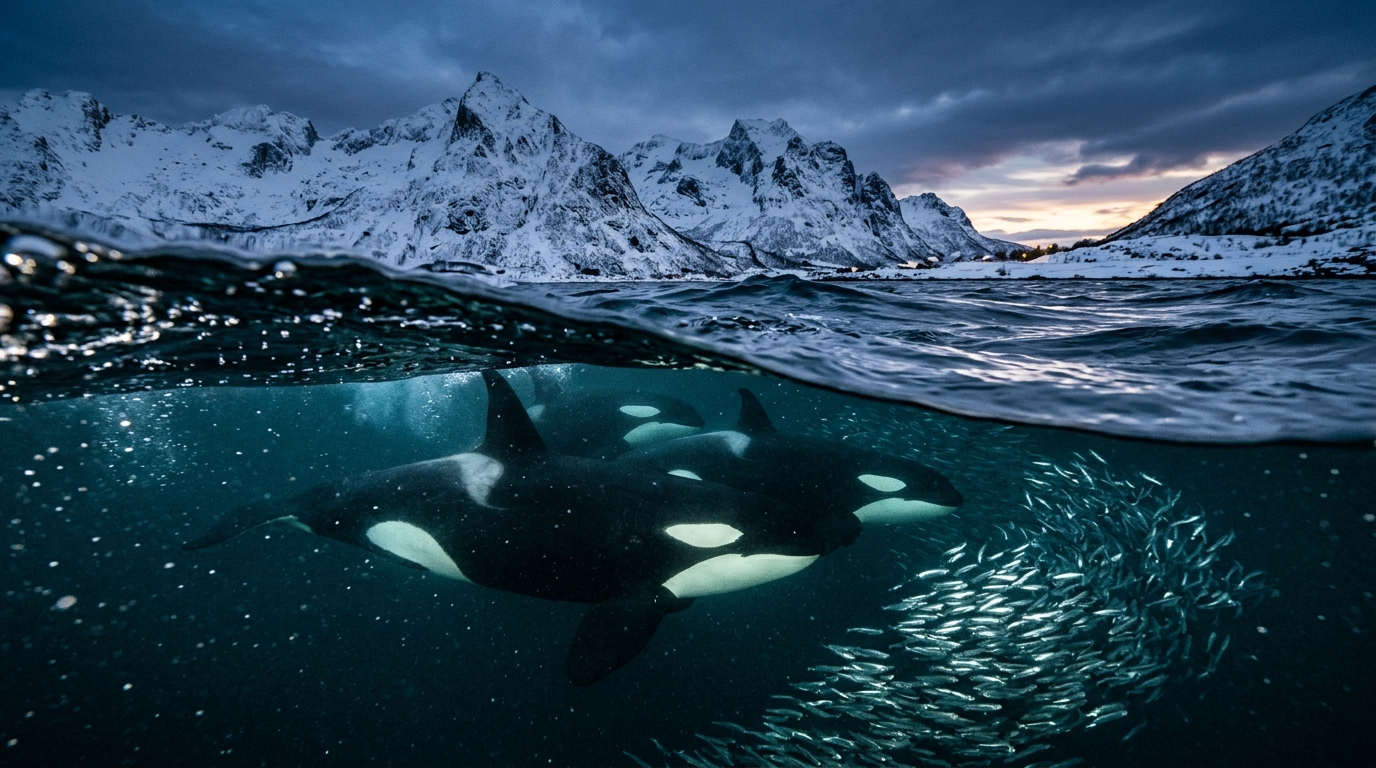
Between November and January, billions of Norwegian spring-spawning herring pack into the deep fjords of northern Troms around Skjervøy and Kvænangen. Hundreds of orcas—joined by lunge-feeding humpback whales—work the herring schools daily.
Because the water is 2–4°C and polar twilight lasts roughly 4 hours per day, preparation is everything: snorkelers wear shell drysuits over heavy thermal layers, while freedivers wear custom 7mm open-cell wetsuits. Ethical RIB skippers never drop swimmers directly inside a feeding bait ball, instead positioning quietly along the flank of traveling pods.
2. Sea of Cortez, Mexico: Warm-Water Pelagic Orcas
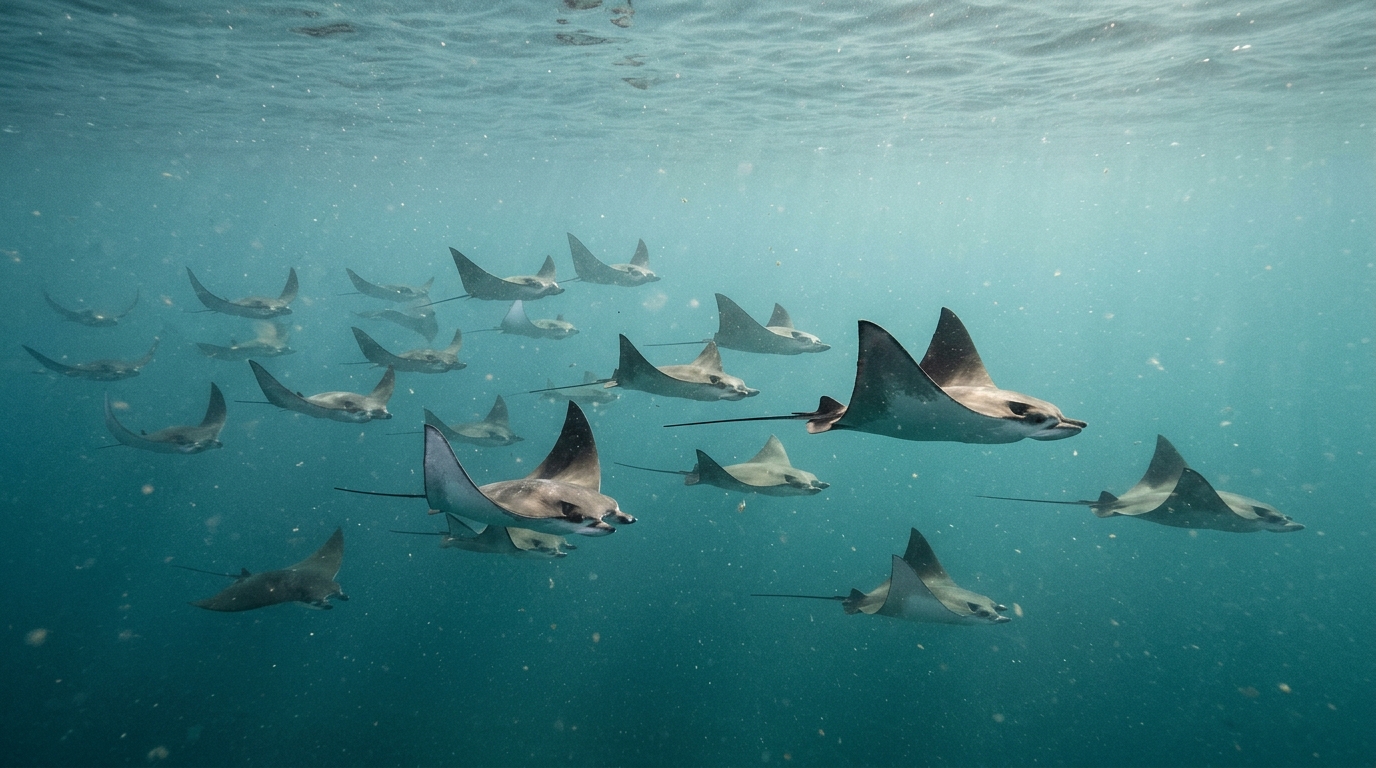
Between April and July, Eastern Tropical Pacific orca pods patrol the channels around La Ventana, Cerralvo Island, and Cabo Pulmo—often hunting schooling mobula rays and dolphins. Sightings are never guaranteed on a single day, which is why multi-day Sea of Cortez ocean safaris target mobula aggregations and offshore cetaceans simultaneously.
3. Pacific Northwest & Lofoten: Boat-Only Viewing
In British Columbia and Washington State, strict federal laws protect endangered Southern Resident killer whales—keeping boats 200 to 400 meters away and banning any water entry. Similarly, summer whale safaris out of Lofoten and Andenes focus on boat-based sperm whale and occasional orca observation rather than swimming.
Frequently Asked Questions
Where is the best place to see orcas in the wild?
For in-water encounters, Skjervøy and the Kvænangen fjords north of Tromsø, Norway (Nov–Jan) lead the world. For boat-based viewing, Vancouver Island and the San Juan Islands (May–Oct) and Bremer Canyon, Australia (Jan–Apr) are premier.
Can you see orcas and humpback whales together?
Yes. During Norway’s November–January herring run, orcas and humpback whales frequently feed on the exact same herring schools in the same fjord.
Is swimming with wild orcas dangerous?
There is no verified record of a wild orca fatally attacking a human. In Norway, orcas are specialized herring hunters. The real hazards are 2°C water exposure, winter swell, and staying clear of lunge-feeding humpbacks.
Need Help Matching Your Dates?
Get Matched With a Licensed Local Expedition Lead
Tell us your preferred month, water experience level, and target species. We introduce you directly to our vetted partner captains with zero agency markup.
Book These Routes Direct
Featured Expeditions
Norway
2–4°COrcas (Killer Whales)
Norway Orcas
Sub-zero Arctic fjords alive with carousel-feeding orcas and humpback whales herding massive herring bait balls under polar twilight.
- Peak Season
- Peak: Nov – Dec (peak herring density)
- Water Temperature
- Gear: Drysuit with thermal undersuit OR 7mm open-cell freediving suit
- Group Limit
- Cap: Max 6–8 guests per RIB / expedition boat
Mexico
21–28°CMobulas, Orcas & Pelagics
Sea of Cortez Safari
Unscripted open-ocean safaris across Baja’s eastern coast—schooling mobula rays, playful sea lions, transient orcas, and fin/blue/sperm whales.
- Peak Season
- Peak: May – Jul (mobulas & orcas)
- Water Temperature
- Gear: 3mm (Apr–Jun) / Rashguard–2mm (Jul–Nov)
- Group Limit
- Cap: Max 6 guests per panga
Tonga
23–25°CHumpback Whales
Tonga Humpbacks
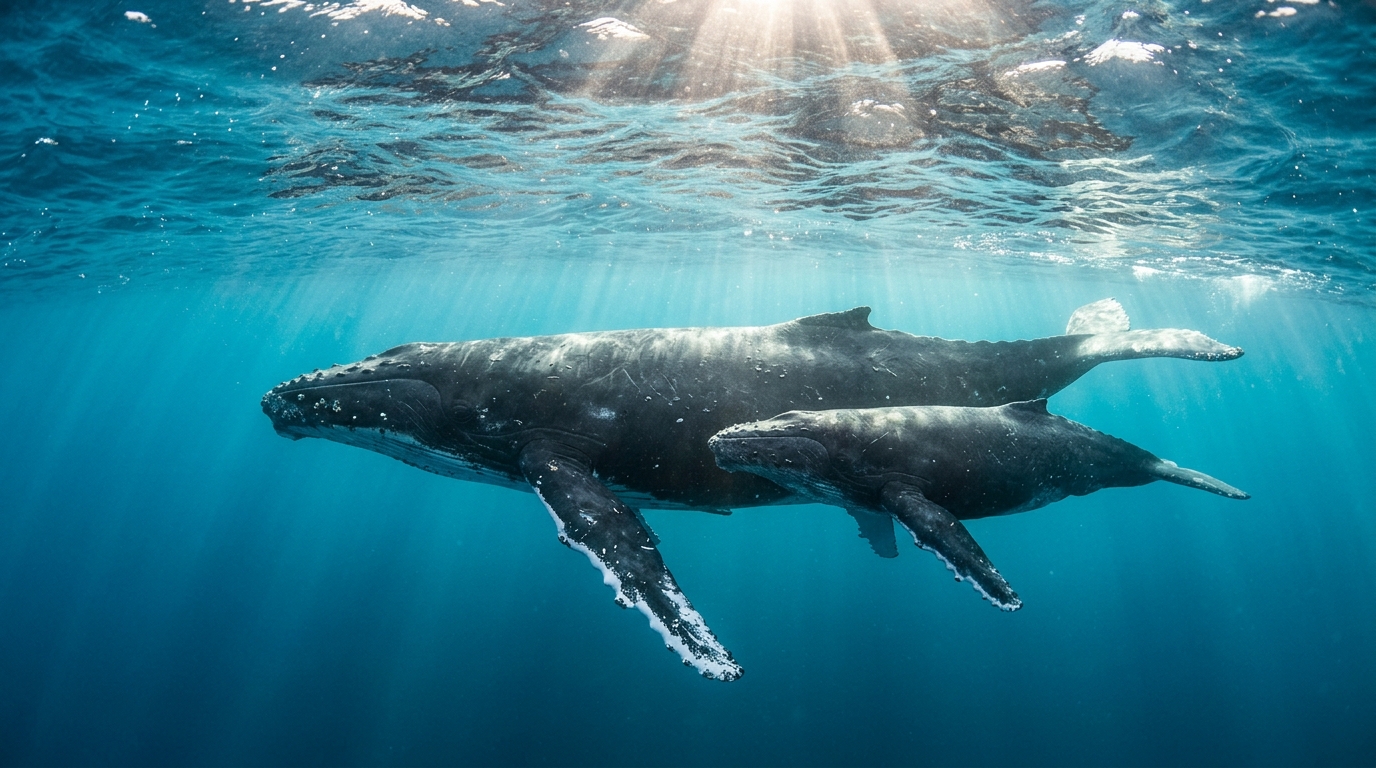
Calm coral-sheltered lagoons in Vava'u and Ha'apai with mothers, newborn calves, singing males, and heat runs under Tonga's 4-swimmer rotation law.
- Peak Season
- Peak: Aug – Sep (calves & heat runs)
- Water Temperature
- Gear: 3mm full wetsuit + windbreaker
- Group Limit
- Cap: Max 4 swimmers + 1 licensed guide
More Guides & Field Journal
All 8 guides →Freediving vs. Snorkeling With Whales
When you are allowed to duck-dive versus when surface-only rules apply, how to choose fins and wetsuit thickness for 2°C to 29°C waters, and camera habits that keep whales curious.
Trip PlanningBest Time to Swim With Whales
A month-by-month breakdown of peak wildlife windows across Tonga, Dominica, Timor-Leste, Baja California, Yucatan, and Arctic Norway—so you never book a shoulder week by mistake.
Destination ComparisonsBest Places to Swim With Whale Sharks
A direct comparison of the world’s top unbaited whale shark aggregations—Isla Mujeres, La Paz, and Ningaloo Reef—covering peak months, swimmer ratios, and why we avoid provisioned sites.