Can You Scuba Dive With Whales? Why Ethical Expeditions Are Snorkel & Freedive Only
Open-circuit scuba bubbles sound like acoustic static to whales and are illegal on almost every licensed whale encounter. Here is why snorkel and freedive trips deliver far closer, calmer encounters.
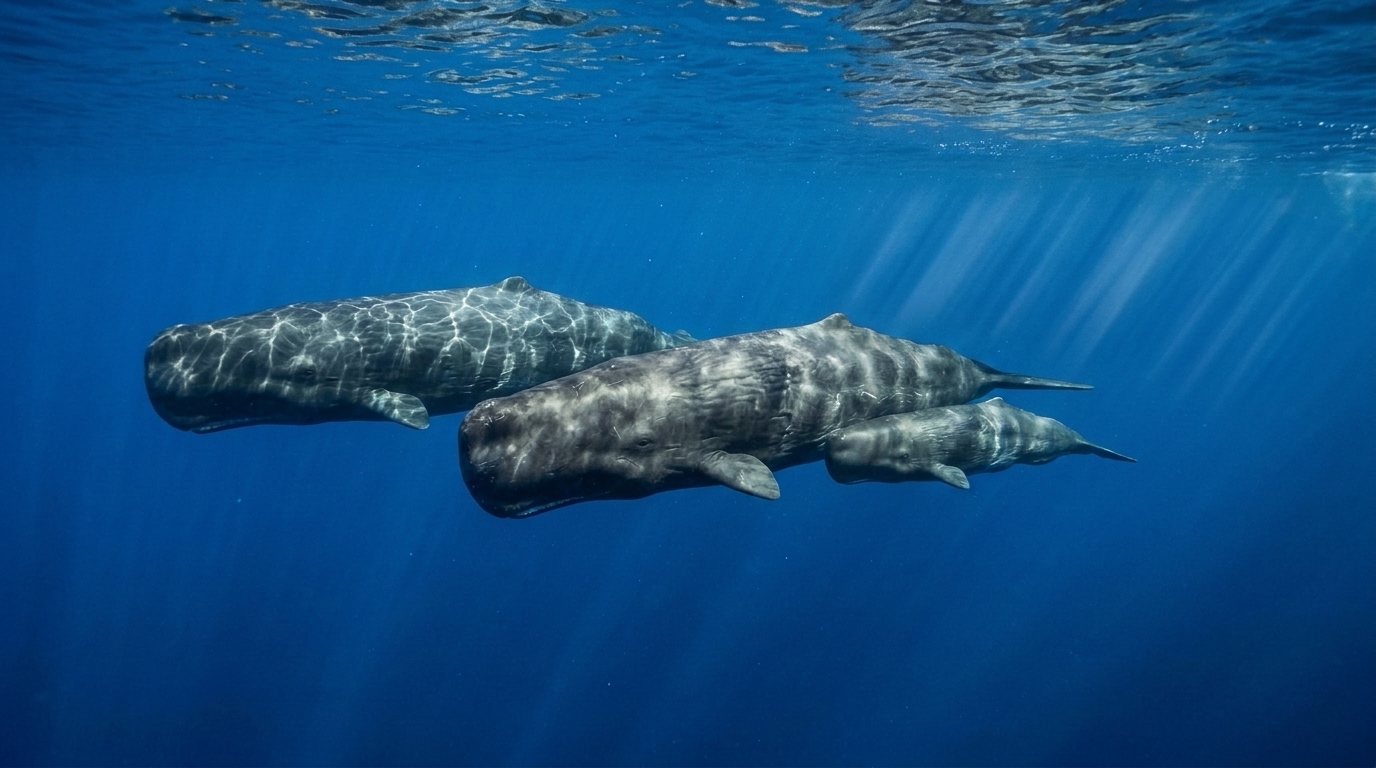
Field Summary
- Scuba diving with whales is prohibited by law in Tonga, Dominica, Timor-Leste, Yucatan Whale Shark Reserve, and Norway’s whale-swim guidelines.
- Open-circuit scuba exhaust creates loud low-frequency acoustic noise that whales interpret as distress or aggression, cutting encounters short.
- Heavy scuba gear prevents quick, quiet boat entries—by the time a diver gears up and rolls in, a moving whale pod is 200 meters away.
1. Three Reasons Scuba Gear Does Not Work for Whales
Every week, certified PADI or SSI scuba divers ask whether they can dive with humpbacks in Tonga or sperm whales in Dominica. Outside of rare, accidental encounters on a reef dive (such as Socorro Islands or Galapagos), intentional whale encounters worldwide are strictly mask, snorkel, and fins only.
- Acoustic disturbance: Cetaceans rely on sound to navigate, nurse, and socialize. A scuba regulator’s exhaust bubbles broadcast harsh broadband noise underwater, causing resting mothers and shy blue whales to leave immediately.
- Deployment speed: Pelagic whales surface for 3 to 10 minutes before diving. Sliding quietly off a panga or RIB in a 3mm wetsuit and fins takes 5 seconds; strapping on a BCD and steel tank takes minutes.
- Surface safety & ascent rates: Open-ocean swells and fast-moving bait balls require instant mobility at the surface without decompression or buoyancy-compensator drag.
2. How Scuba Divers Prepare for Their First Whale Snorkel Trip
If you already scuba dive, you have a major head start in mask comfort and ocean awareness. A few simple gear swaps make the transition effortless:
- Swap bulky split or short travel scuba fins for medium-to-long freediving blades so you can glide silently without slapping the surface.
- Use a low-volume mask and a simple J-snorkel (no dry-top rattle valves that leak or click underwater).
- Leave your BCD at home—your 3mm wetsuit provides natural positive buoyancy at the surface for relaxed 30-minute floats.
- If you want to duck-dive cleanly in Dominica, Sea of Cortez, or Magdalena Bay, take a 2-day AIDA 2 or SSI Level 1 freediving course before your trip.
Frequently Asked Questions
Is there anywhere in the world you can scuba dive with whales?
You cannot book dedicated scuba-with-whales charters in regulated whale sanctuaries. However, scuba liveaboards in Socorro (Revillagigedo Islands, Mexico) and Galapagos occasionally have unplanned underwater sightings of humpback whales or whale sharks during reef dives.
Do I need a freediving certification to join a whale swimming trip?
No. Surface snorkeling is the primary (and often legally required) method in Tonga, Timor-Leste, Yucatan whale shark season, and for drysuit snorkelers in Norway.
Need Help Matching Your Dates?
Get Matched With a Licensed Local Expedition Lead
Tell us your preferred month, water experience level, and target species. We introduce you directly to our vetted partner captains with zero agency markup.
Book These Routes Direct
Featured Expeditions
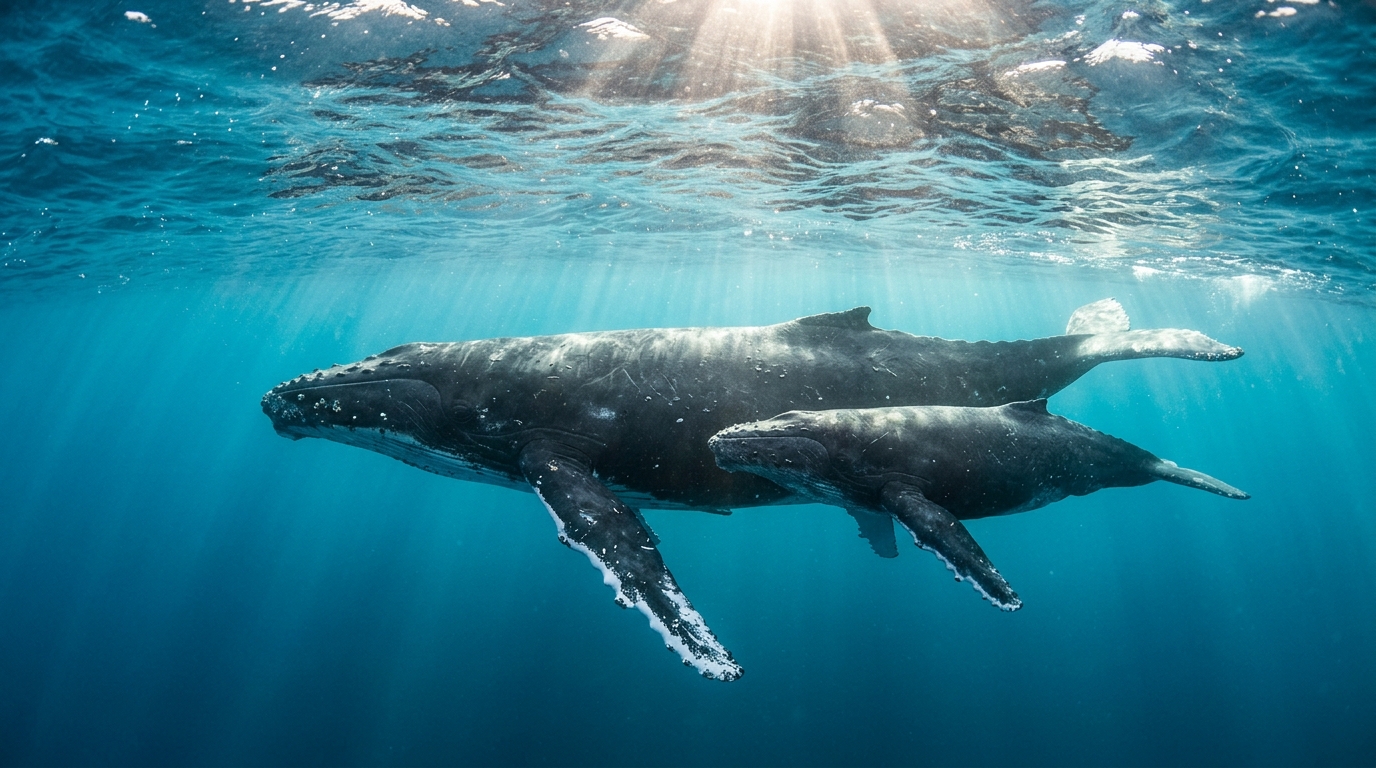
Tonga
23–25°CHumpback Whales
Tonga Humpbacks
Calm coral-sheltered lagoons in Vava'u and Ha'apai with mothers, newborn calves, singing males, and heat runs under Tonga's 4-swimmer rotation law.
- Peak Season
- Peak: Aug – Sep (calves & heat runs)
- Water Temperature
- Gear: 3mm full wetsuit + windbreaker
- Group Limit
- Cap: Max 4 swimmers + 1 licensed guide
Dominica
26–28°CSperm Whales
Dominica Sperm Whales
The only place in the world with year-round resident sperm whale families in calm leeward waters, governed by strict 3-guest permits.
- Peak Season
- Peak: Nov – Mar (calm leeward seas & social units)
- Water Temperature
- Gear: Rashguard or 1.5–2mm shorty/full
- Group Limit
- Cap: Max 3 guests + 1 licensed guide
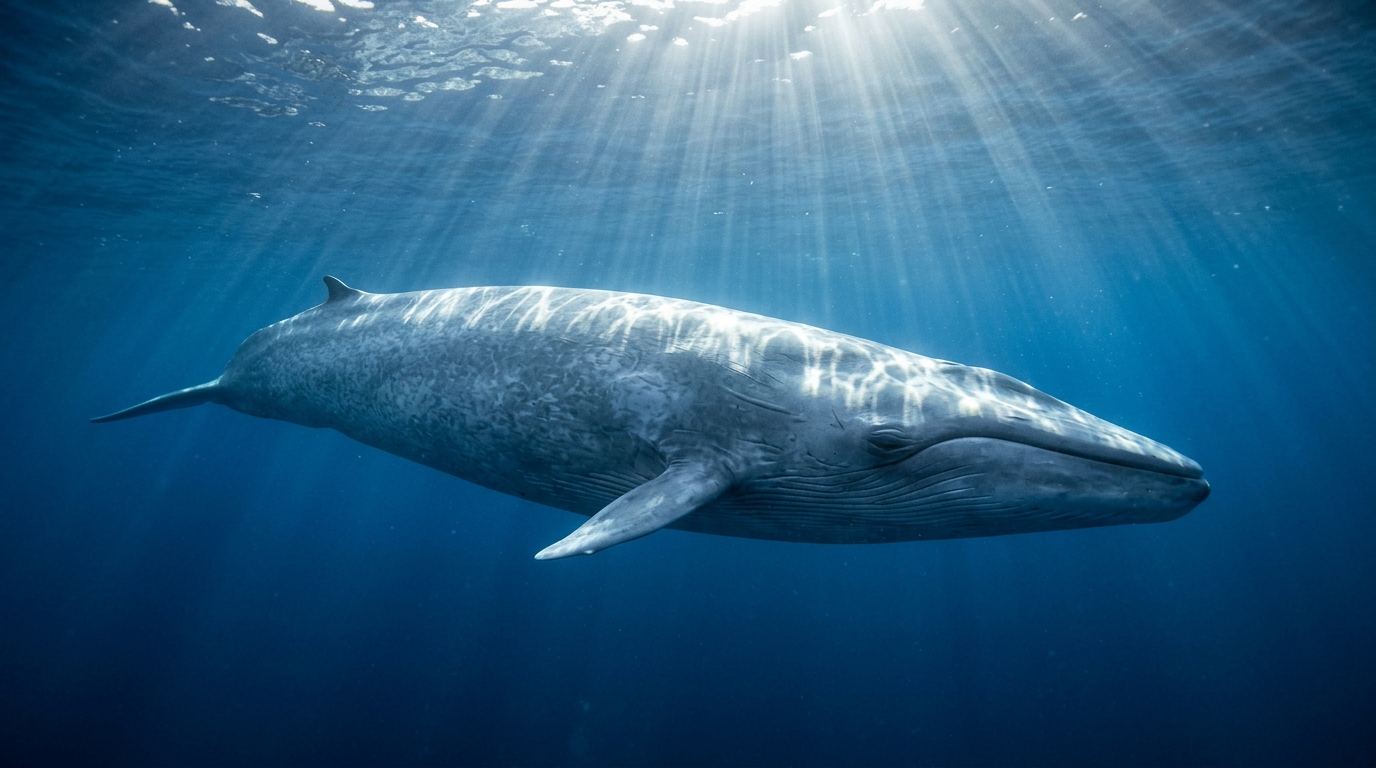
Timor-Leste
27–29°CBlue Whales
Timor-Leste Blue Whales
Deep tropical waters off Dili and Atauro Island where migrating pygmy blue whales pass close to shore every October and November.
- Peak Season
- Peak: Mid-Oct – Mid-Nov
- Water Temperature
- Gear: Rashguard or 1.5mm suit
- Group Limit
- Cap: Max 4 swimmers + 1 guide
More Guides & Field Journal
All 8 guides →Freediving vs. Snorkeling With Whales
When you are allowed to duck-dive versus when surface-only rules apply, how to choose fins and wetsuit thickness for 2°C to 29°C waters, and camera habits that keep whales curious.
Trip PlanningBest Time to Swim With Whales
A month-by-month breakdown of peak wildlife windows across Tonga, Dominica, Timor-Leste, Baja California, Yucatan, and Arctic Norway—so you never book a shoulder week by mistake.
Destination ComparisonsBest Places to Swim With Whale Sharks
A direct comparison of the world’s top unbaited whale shark aggregations—Isla Mujeres, La Paz, and Ningaloo Reef—covering peak months, swimmer ratios, and why we avoid provisioned sites.